Local water risks
What causes water damage in San Antonio and Bexar County?
San Antonio water damage has a local fingerprint. The rivers and creeks that make the city attractive are the same ones that flood its low crossings, and the clay soil under many homes moves enough with wet and dry weather to stress the pipes buried beneath them.
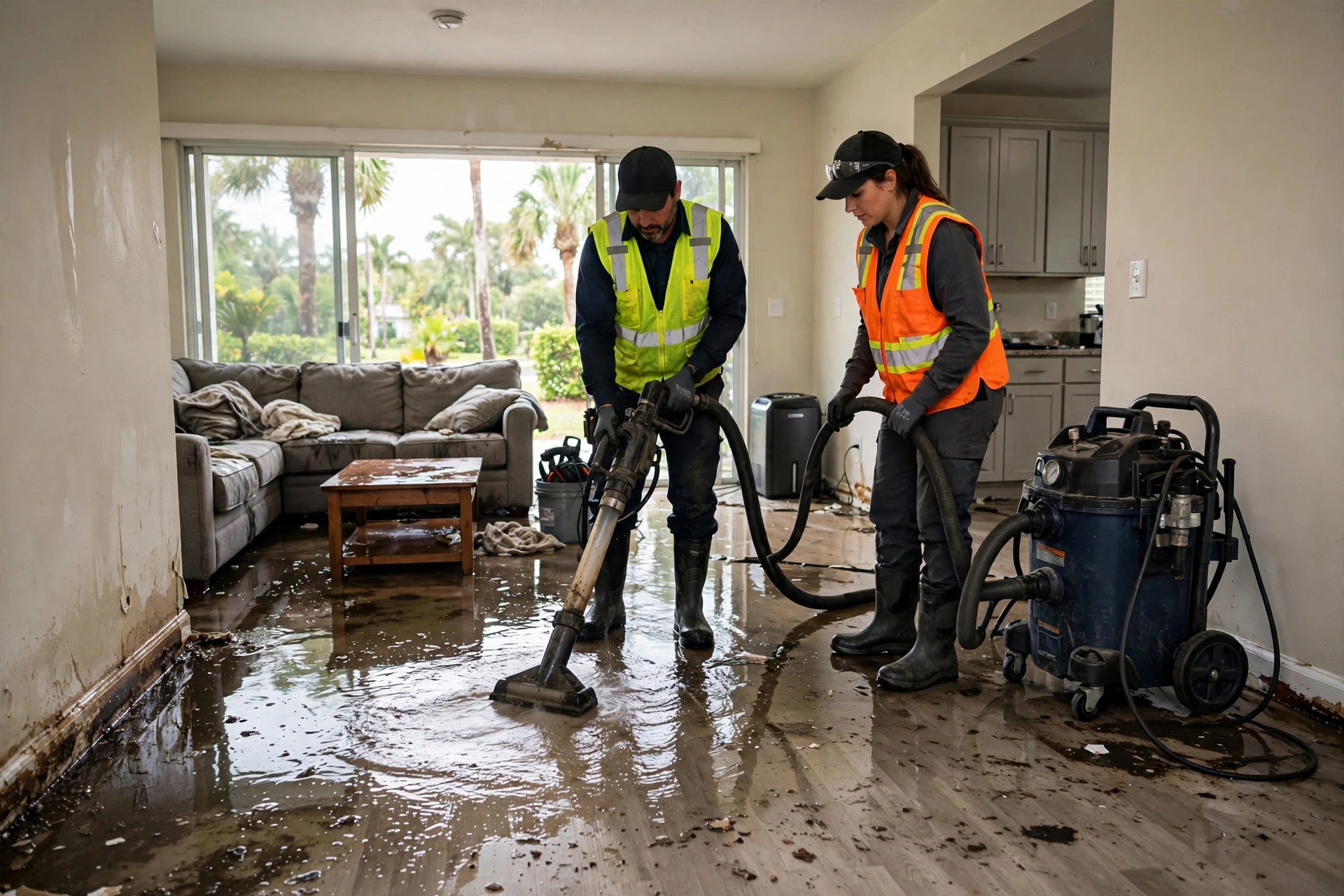
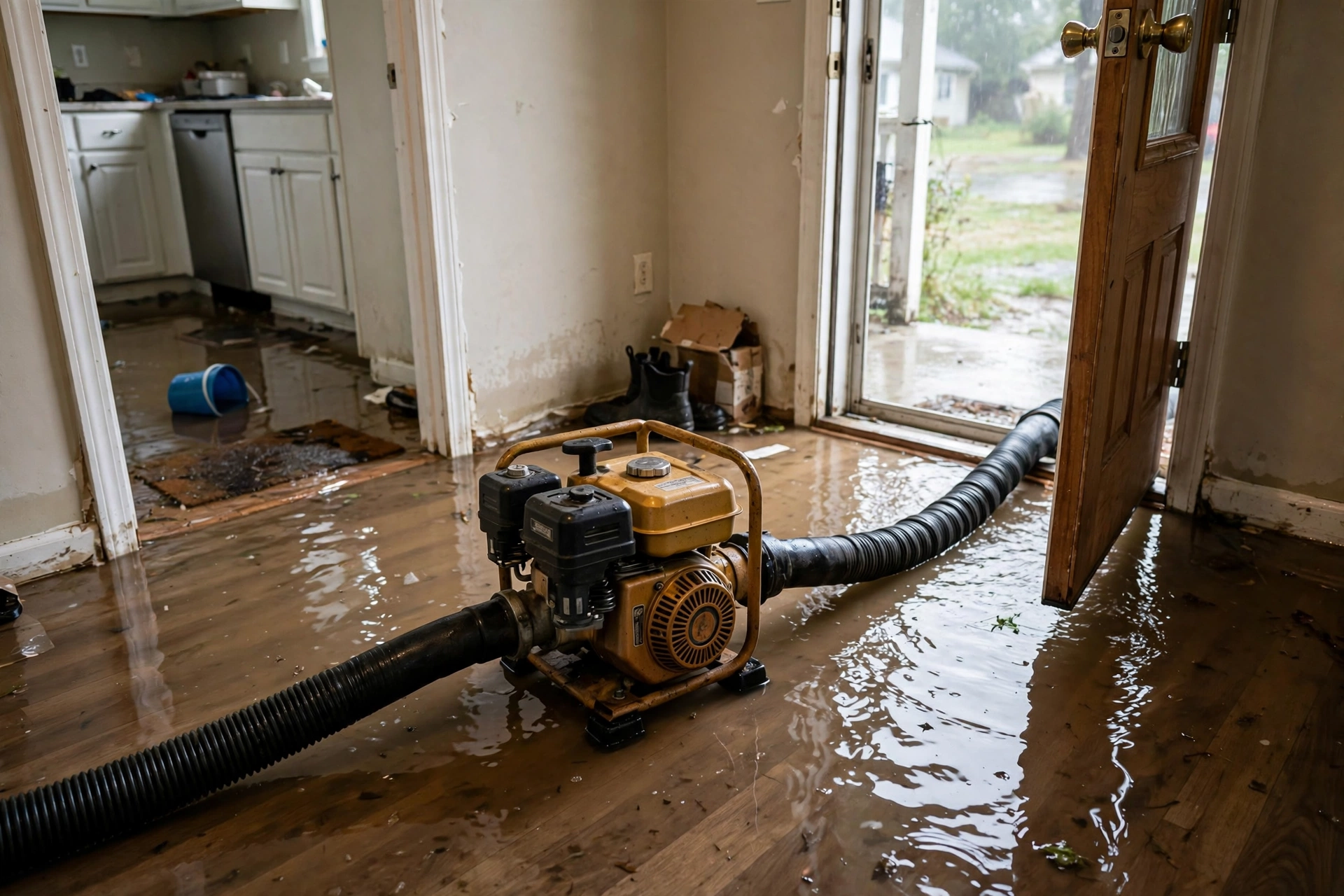
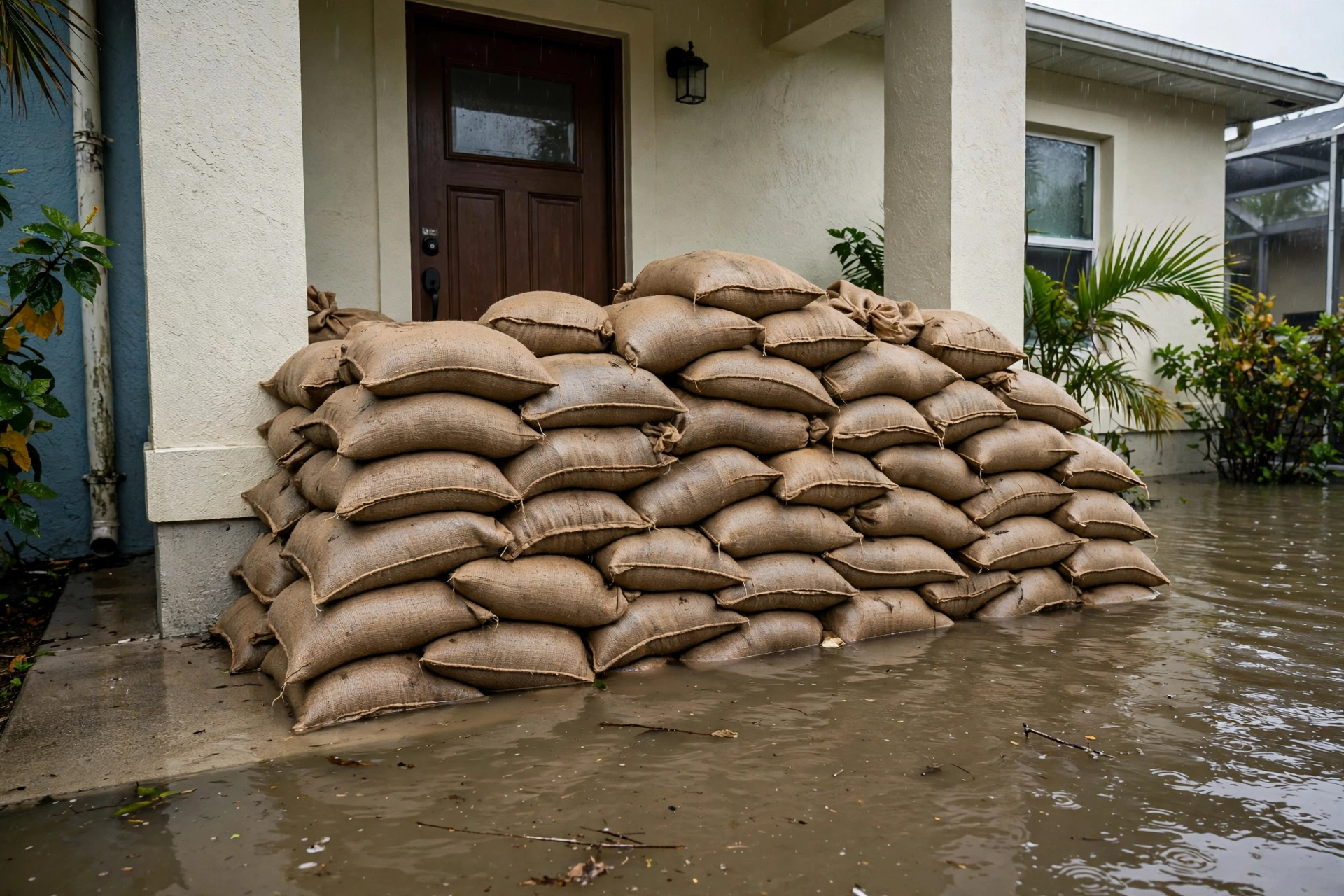
The San Antonio River runs through the heart of the city, and Olmos Creek drains a large stretch of the north and central city toward it. In a heavy Central Texas downpour, these waterways rise fast, and the low-water crossings that link neighborhoods can flood quickly, sometimes while rain is still falling upstream. Runoff from the Hill Country edge north of town adds to the surge, because steep watersheds shed water downhill in a hurry. Homes near creek channels and low streets take water first, and garages and ground floors are usually where it shows up. Between storms, the indoor risks take over: slab foundations on expansive clay shift as the soil swells and shrinks, supply lines and water heaters fail, upstairs bathrooms overflow into rooms below, and air conditioning condensate lines clog during the long cooling season. Hard winter freezes add a burst-pipe risk that catches many San Antonio homeowners by surprise.
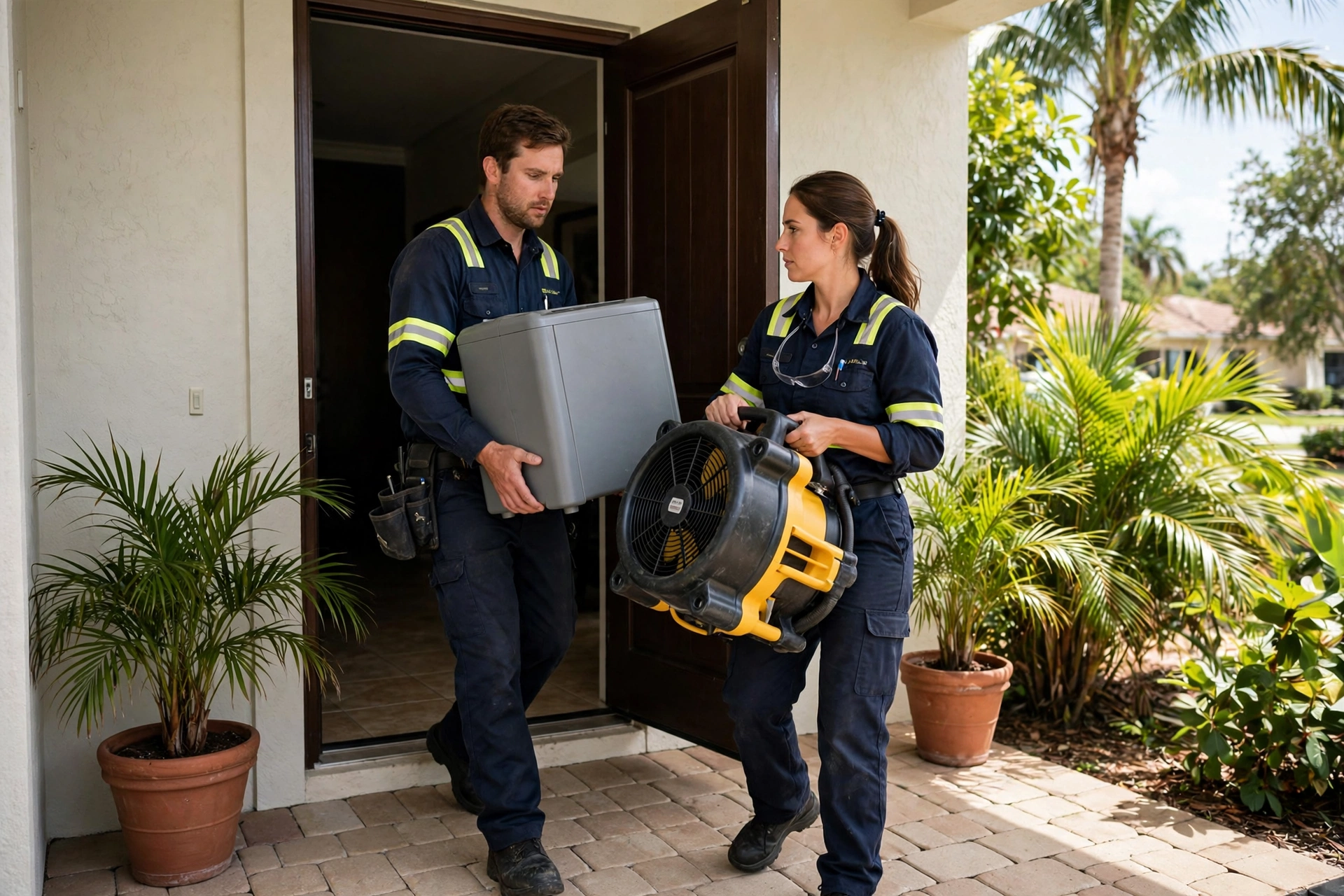
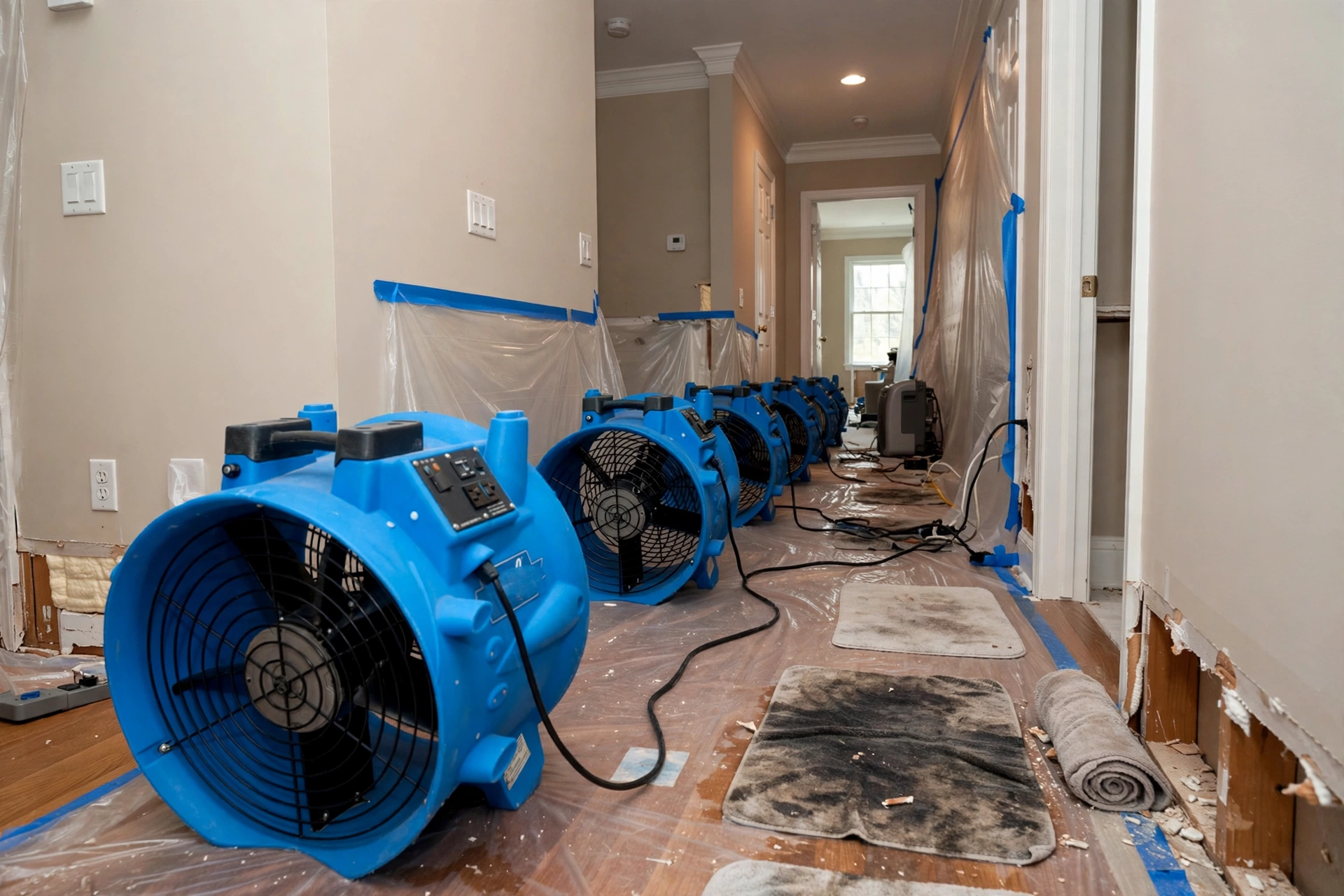
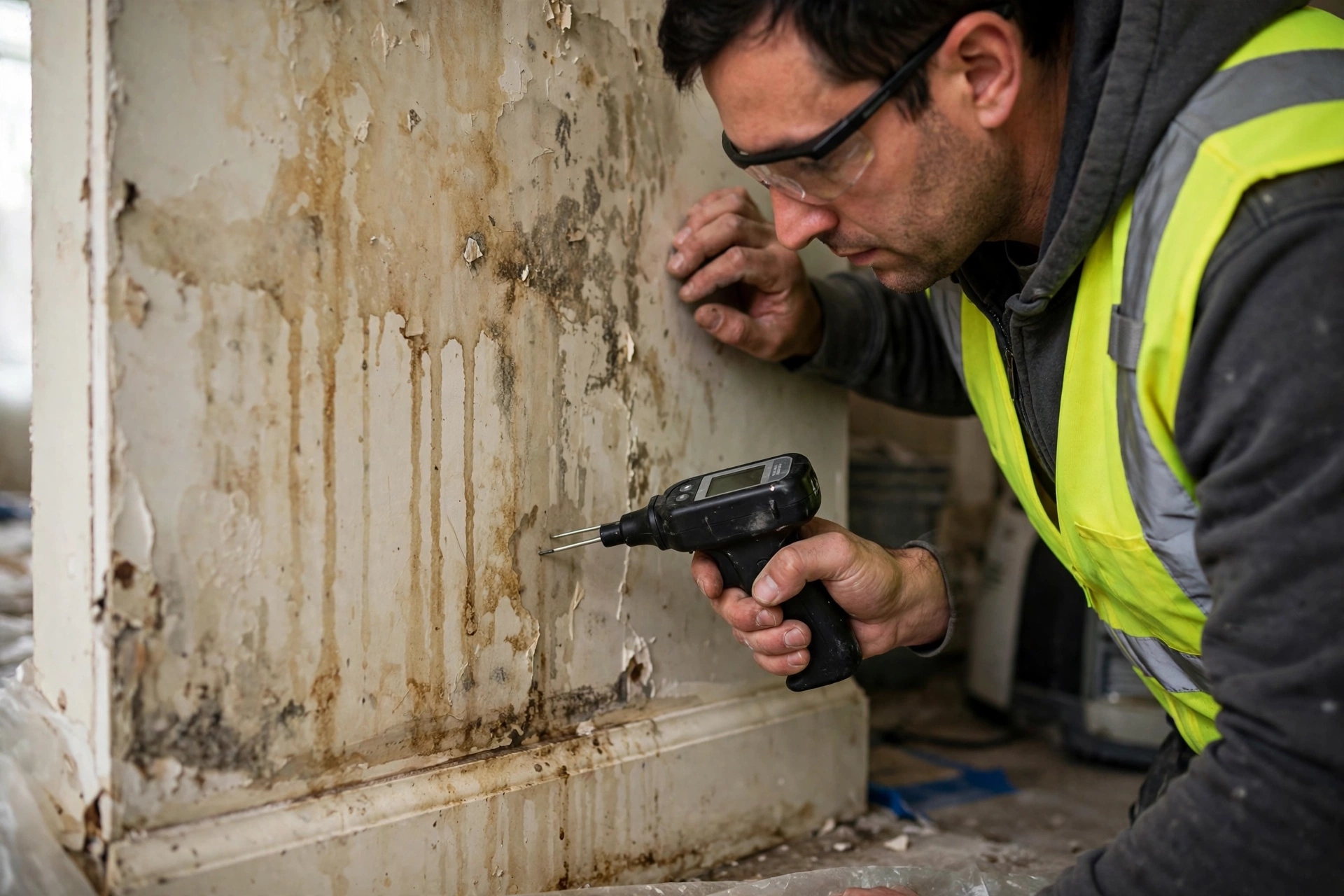
The pattern matters because the right response changes with the cause. Creek and street water that enters from outside is treated as contaminated, while a clean supply line break starts clean but degrades if it stands. Either way, the clock is the same: in South Central Texas heat and humidity, mold can begin within 24 to 48 hours, and wet drywall, cabinets, and subfloor only get harder to save. That is why our crews start with moisture mapping on the first visit, so hidden water behind a baseboard or under a floor is found before it becomes a second, larger job.
The water damage calls our San Antonio crews answer most often:
- Flash flooding at low-water crossings after intense Central Texas storms
- San Antonio River and Olmos Creek rises that push water into low streets and garages
- Slab leaks on expansive clay foundations that shift with wet and dry seasons
- Water heater bursts in garages and utility rooms
- Upstairs bathroom overflows and supply line failures in two-story homes
- AC condensate line clogs during the long San Antonio cooling season
- Frozen and burst pipes during hard winter freezes, including the February 2021 freeze