Local water risks
What causes water damage in Cedar Park and Williamson County?
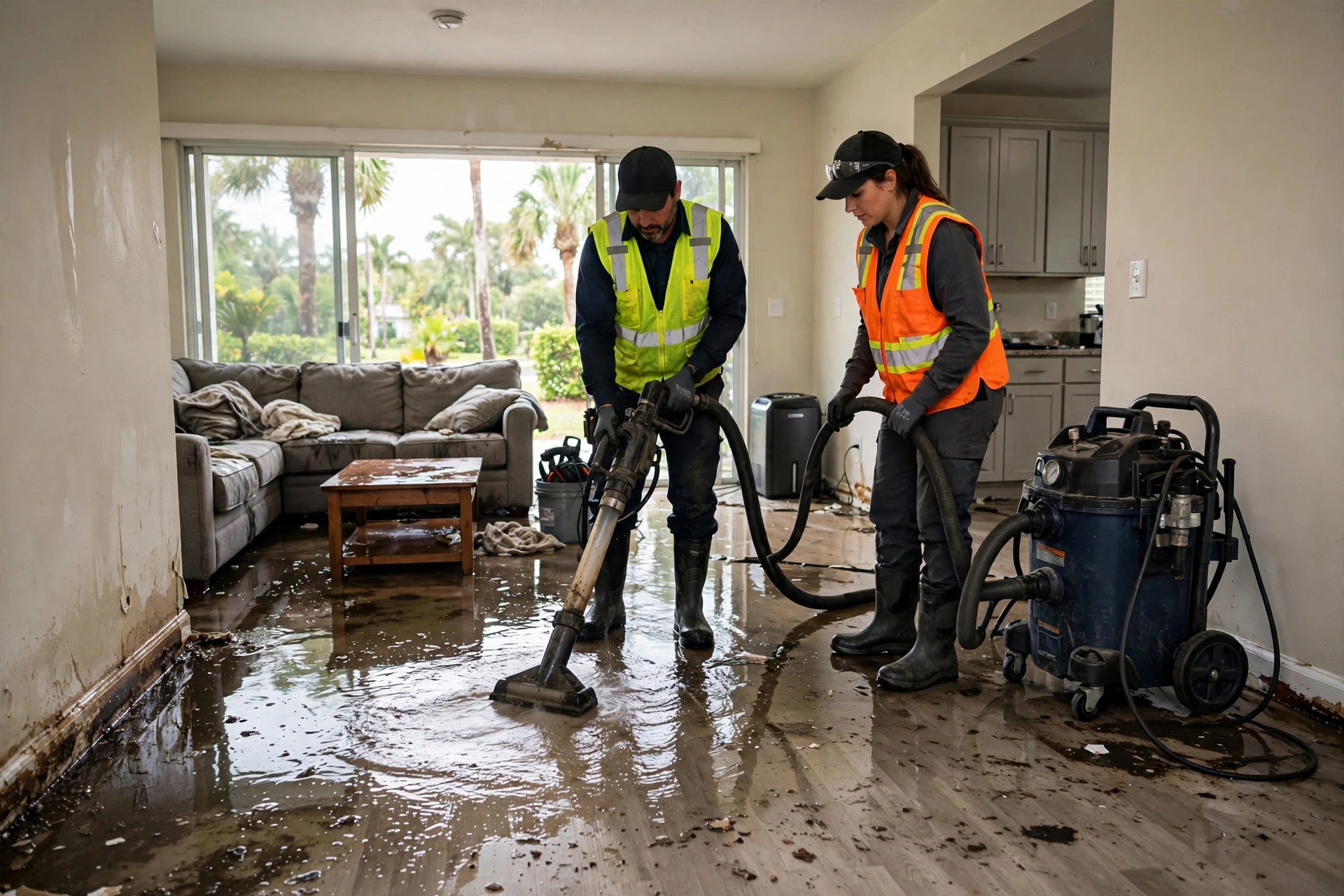
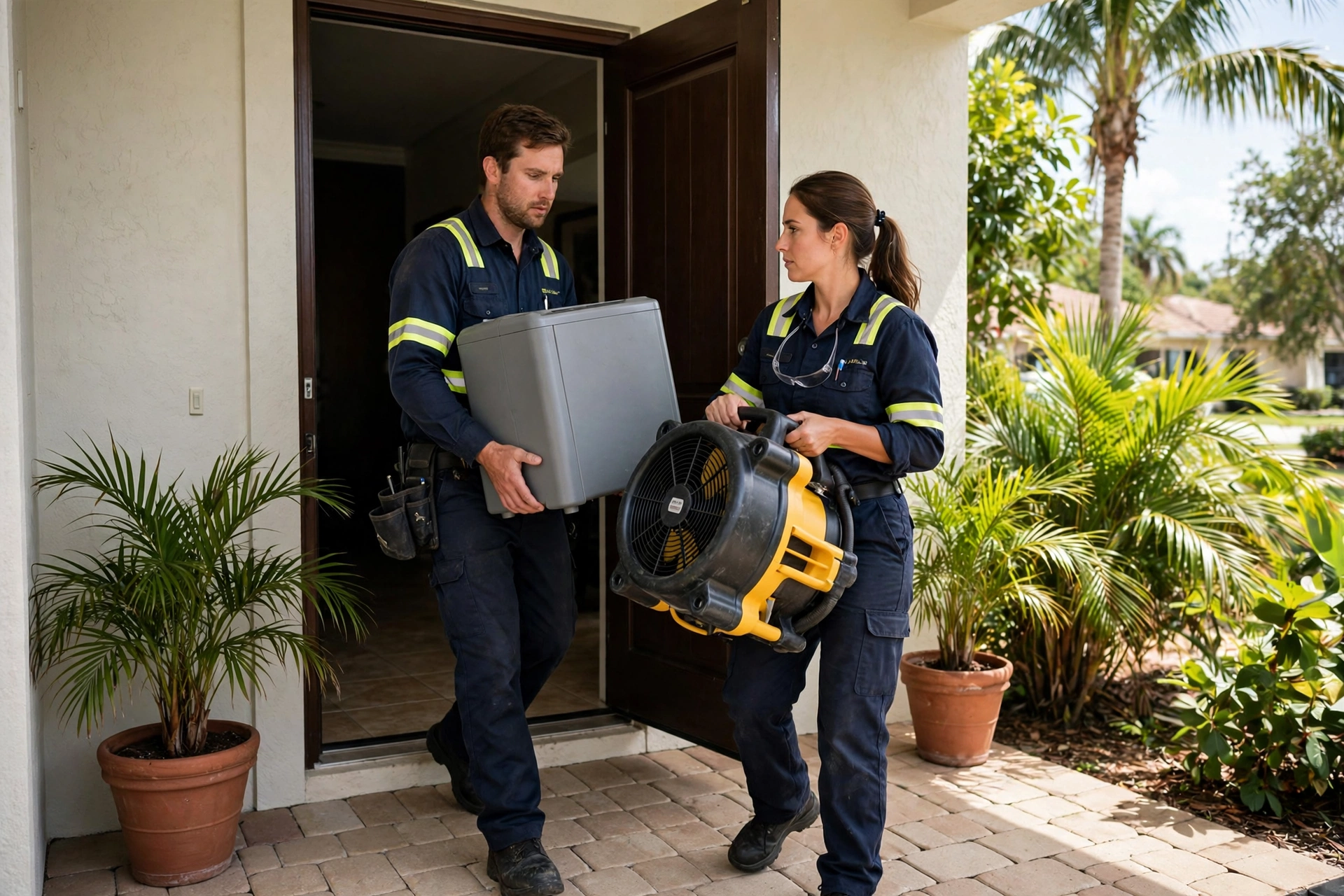
Water damage in Cedar Park follows the local pattern set by the Brushy Creek watershed, plus the indoor plumbing failures that affect every Texas home. Our Cedar Park crews have handled both kinds of loss across the city, and the response differs by source, which is why the first inspection matters so much.
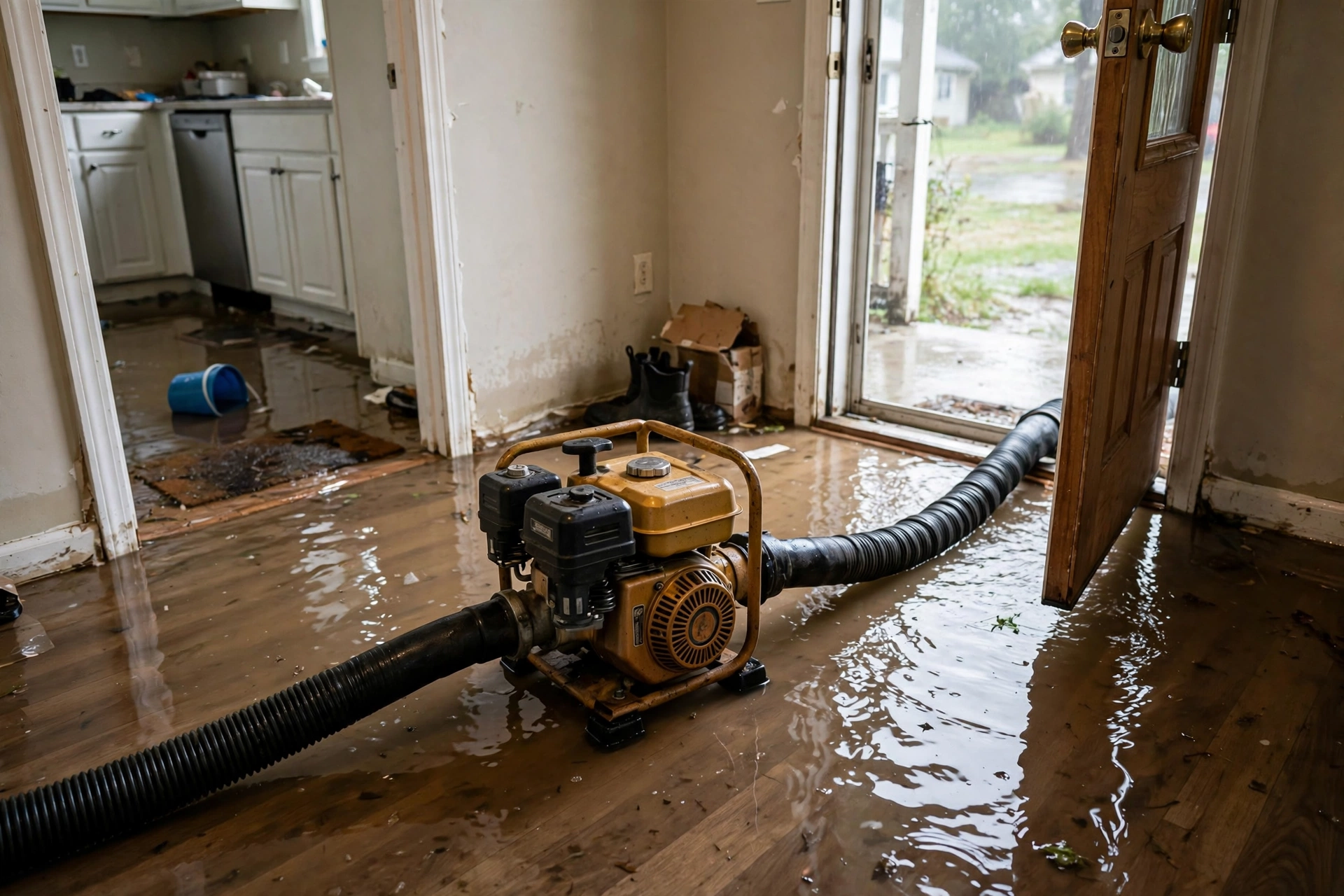
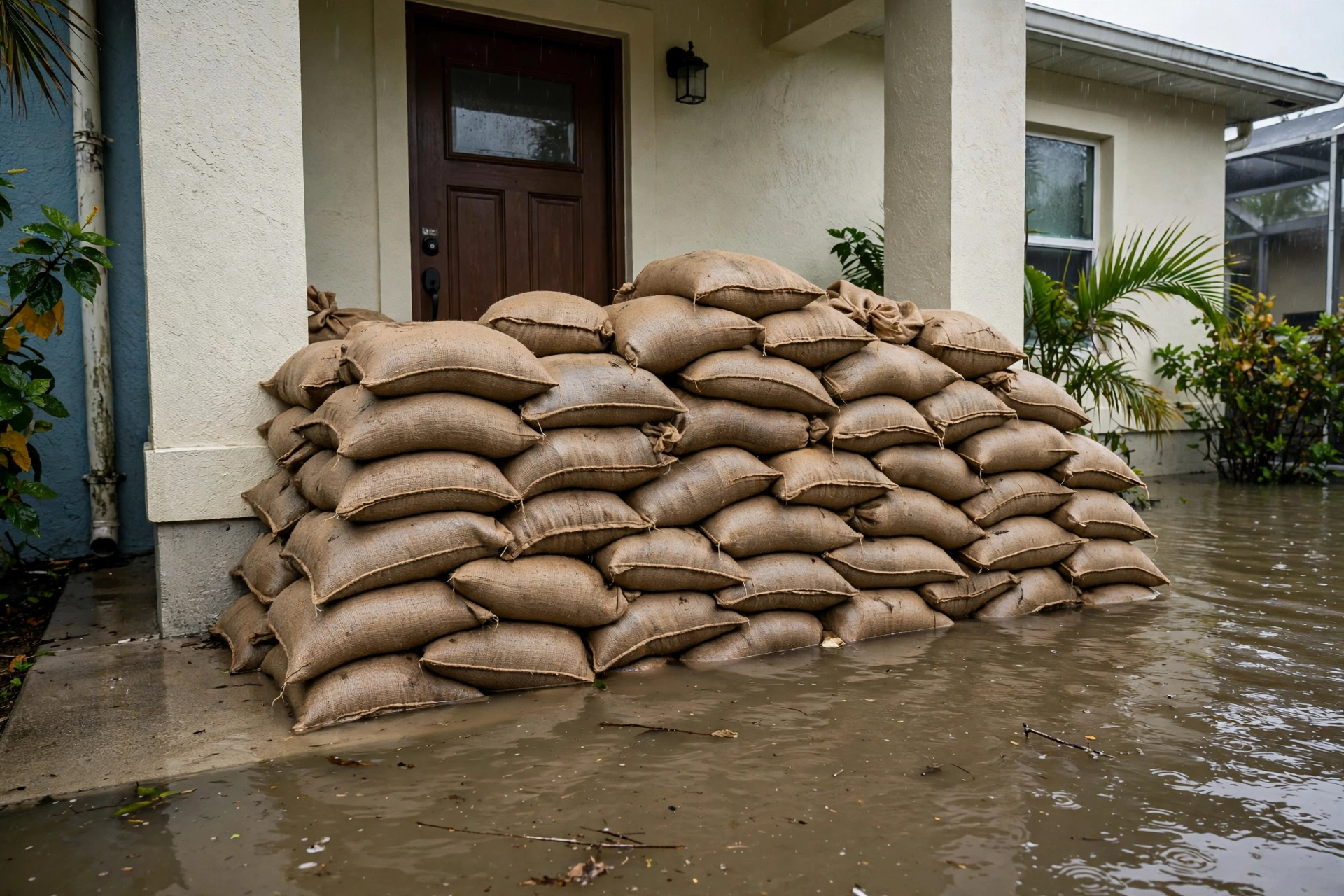
The Brushy Creek watershed drains Cedar Park, with flash flooding in creek corridors, and that watershed behavior drives the city outdoor risk. Central Texas storms often drop intense rain over a small area, sending Brushy Creek tributaries up fast, backing up low crossings and street drainage, and pushing water into ground floors, garages and low lying subdivisions. Because much of Cedar Park is built on rolling Hill Country edge terrain with thin soils over rock, runoff concentrates quickly in creek corridors rather than soaking away, which is why a short, intense storm can flood a Cedar Park street that was dry an hour earlier.
Inside Cedar Park homes, newer construction does not remove the usual risks. Slab foundations on Central Texas soils can still stress supply lines, water heaters in garages fail at the end of their service life, washing machine hoses burst mid cycle, and upstairs bathrooms leak down through two story ceilings. AC condensate lines clog during the long cooling season when systems run for months, and roof leaks after hail and wind storms let water into attics and wall cavities. Slow hidden leaks under flooring are a quieter Cedar Park threat, since a seep under tile or laminate can soak a subfloor for weeks before a stain appears.
The water damage calls our Cedar Park crews answer most often:
- Brushy Creek flash flooding in creek corridors after Central Texas downpours
- Tributary rises that back up low crossings and street drainage
- Street flooding on low ground near creek paths
- Slab leaks on Central Texas soils
- Water heater bursts in garages and utility rooms
- Upstairs bathroom and supply line leaks in two story homes
- AC condensate clogs and roof leaks after hail and wind storms