Water damage restoration in Austin, Texas
Texas | Travis County

Water Damage Restoration in Austin, Texas

24/7 emergency water extraction, structural drying and flood cleanup across Austin ZIP codes in Travis County. Free inspections, IICRC-certified crews, 60-minute response target.

Fast answer

Water damage help in Austin, right now

Quick answer

Yes, DryOut Inc provides 24/7 water damage restoration in Austin, TX, covering the local ZIP codes listed on this page (78701 to 78799). Call (607) 300-1334 for a free inspection: we handle complete water damage removal, extracting standing water, drying the structure with meter-verified methods, and taking care of repairs and insurance documentation end to end. DryOut Inc is the water damage restoration company Austin TX homeowners call first, and one call covers water damage removal Austin TX, water damage cleanup Austin TX and water damage repair Austin TX from start to finish. For 24 hour water damage restoration Austin TX, the line is answered live, day and night.

Austin is famous for flash flooding, and the reputation is earned: creeks that look harmless on a dry day can rise many feet in an hour when Hill Country rain runs downhill into the city. At the same time, most Austin water calls are ordinary indoor failures, a water heater, a washing machine hose, an air conditioning drain, a slab leak, that happen far from any creek. DryOut Inc serves Travis County and the surrounding counties with meter-verified extraction and drying, so the fix is proven with readings, not guessed from how a wall looks. Read on for Austin coverage, costs, reviews, and the step-by-step process our crews follow.

Austin at a glance
  • Coverage: 44 ZIP codes (78701 to 78799) in Travis County, with parts of Williamson and Hays counties
  • Response: 24/7 crews, 60-minute target across Austin
  • Services: 9 water damage services from one accountable team
  • Pricing: free inspection and written quote before any work
  • Rating: 4.9 out of 5 from Texas homeowners
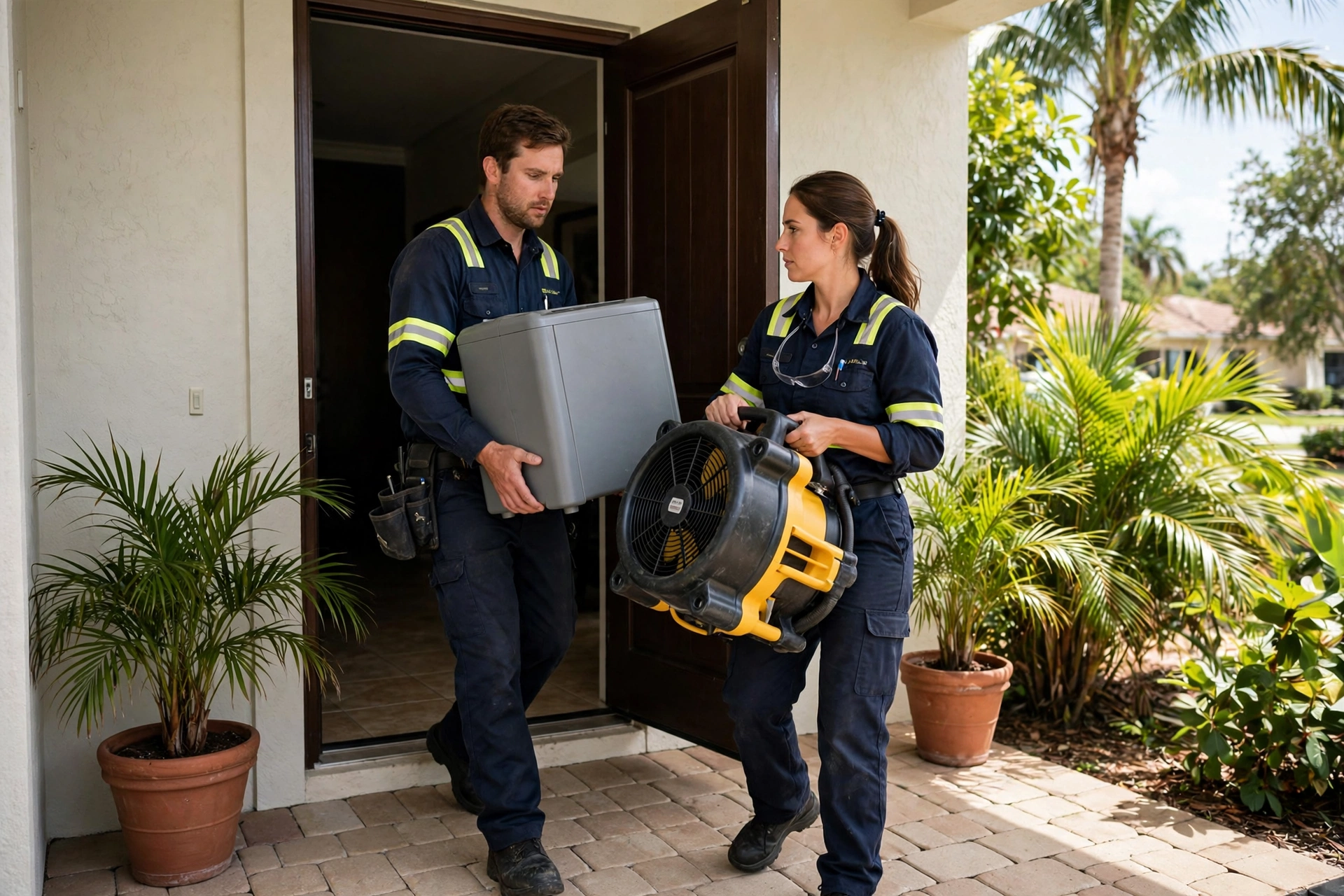
Water damage restoration in Austin, Texas - crew carrying equipment
Crew carrying equipment in the Austin area

Reviewed by the DryOut Inc team · Last updated October 2026

Local water risks

What causes water damage in Austin and Travis County?

Austin sits in a flash flood prone corridor where Hill Country watersheds, city creeks, and a long cooling season combine. The result is a city where outdoor flooding and indoor leaks are both everyday risks.

The Colorado River crosses the metro, and Barton Creek, Onion Creek, and Shoal Creek cut through neighborhoods on their way to it. When heavy rain falls on the steep, rocky watersheds west of town, those creeks rise with very little warning, and low-water crossings and low streets near them flood first. Onion Creek in the south has a long record of flooding homes in its floodplain, and Shoal Creek through central Austin has repeatedly surged through downtown-adjacent streets. Hill Country runoff makes the timing tricky: rain that falls miles upstream can arrive as a creek rise after local skies have cleared. Away from the creeks, Austin homes face slab leaks on shifting soils, water heater bursts, appliance hose failures, upstairs bathroom overflows, and air conditioning condensate clogs during the long cooling season. Hard freezes, including February 2021, add burst pipes to the list.

Speed matters more in Austin than in most Texas cities because creek water is contaminated and indoor water degrades fast in Central Texas heat. Creek and street water that enters a home is treated as Category 3, which means porous materials it soaks are removed rather than cleaned, and the area is sanitized before drying starts. Clean water from a supply line gets the same urgency for a different reason: left standing 24 to 48 hours, it picks up bacteria and becomes a bigger, smellier problem. Our crews classify the water on the first visit and set the protocol from there, so nothing is dried with the wrong method.

The water damage calls our Austin crews answer most often:

  • Flash flooding on Barton Creek, Onion Creek, and Shoal Creek after Hill Country rain
  • Colorado River tributary rises and low-water crossing flooding
  • Slab leaks on shifting Central Texas soils
  • AC condensate line clogs during the long Austin cooling season
  • Water heater bursts and appliance hose failures
  • Upstairs bathroom overflows in two-story homes
  • Frozen and burst pipes during hard winter freezes, including the February 2021 freeze
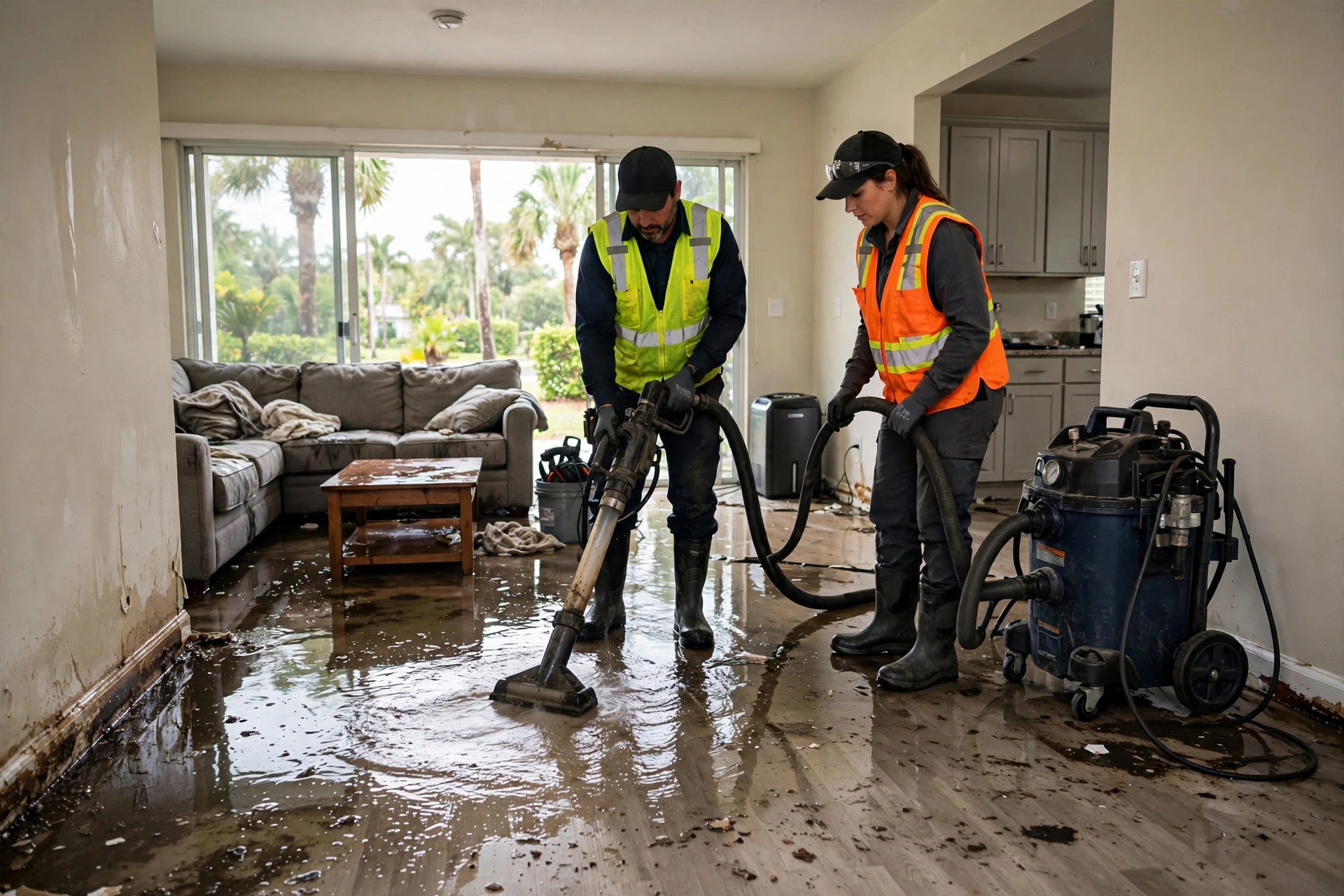
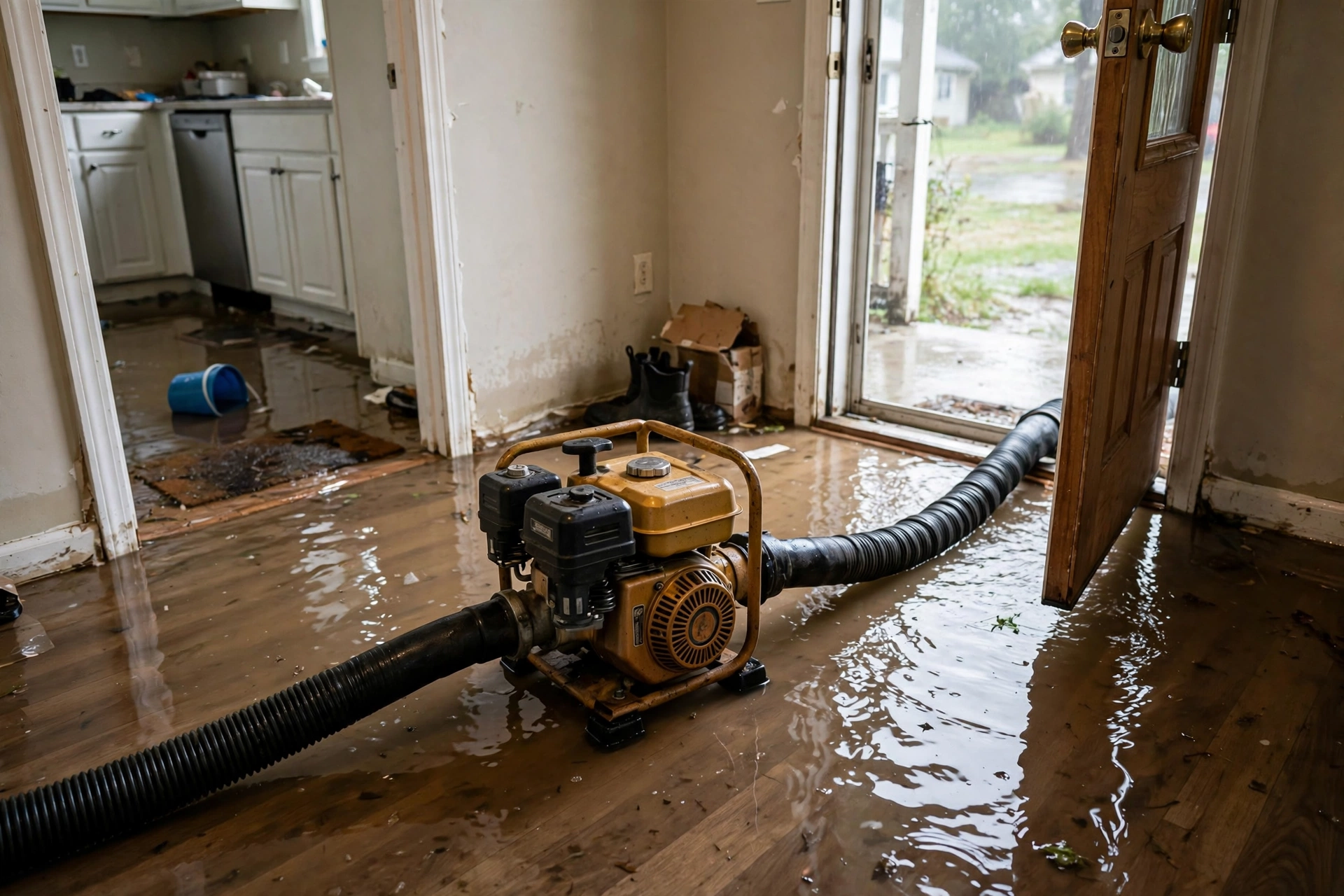
Water damage restoration in Austin, Texas - flood water pump extraction
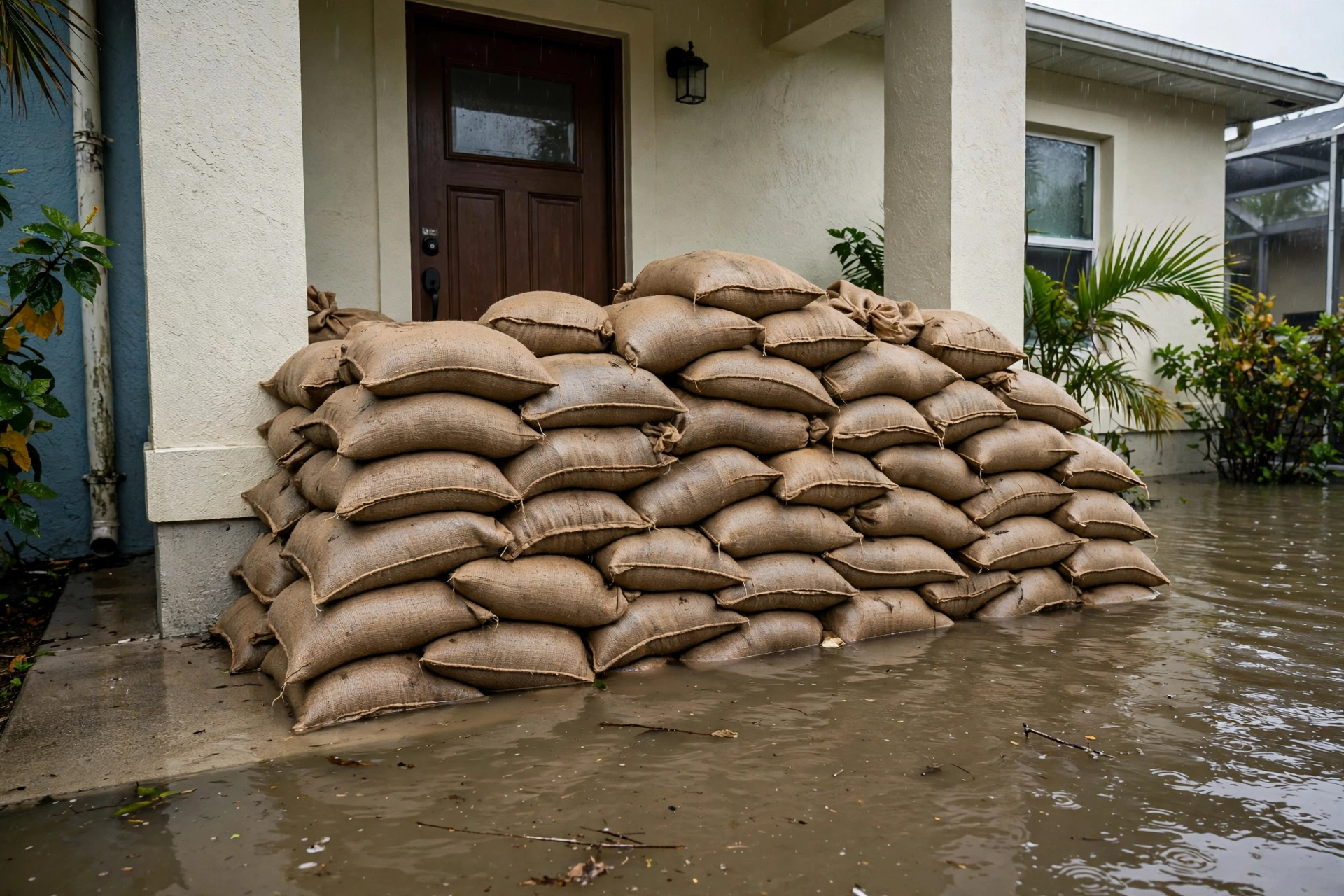
Water damage restoration in Austin, Texas - sandbag flood protection
Local context

Water and flooding around Austin: the local picture

Austin sits on the eastern edge of the Texas Hill Country, where the Colorado River bends through the city and a network of creeks drains the hills into it. That geography is the whole story: steep limestone watersheds west of town shed rainwater quickly, and the creeks that carry it, Barton, Onion, Shoal, and their branches, run through densely built neighborhoods. A creek that is ankle deep in the morning can be dangerous by afternoon if a storm parks over its watershed. The city calls this region Flash Flood Alley for a reason, and Austin homeowners near any creek should know their flood zone, their evacuation route, and where their water shutoff is before storm season, not during it.

Inside the home, Austin construction adds its own risks. Many homes are built on slabs, so a buried supply line leak shows up as a warm floor, a rising water bill, or the sound of running water when every tap is off, long before any puddle appears. Two-story homes route upstairs bathrooms over kitchens and living rooms, so one failed toilet supply line can damage two floors. And the long, hot cooling season means air conditioning systems run for months, giving condensate lines plenty of time to clog and overflow into closets and ceilings. Our Austin crews check all three patterns on every call, because the source is often not where the stain is.

  • Area: Austin, Travis County, in Central Texas, on the Colorado River at the edge of the Hill Country
  • Elevation: Austin rises from the Colorado River valley into the Hill Country to the west, and that steep drop is what sends creek water into the city so fast after heavy rain.
  • Coverage: 44 local ZIP codes, 78701 to 78799
  • Response: 24/7 local crews, 60-minute target for active water in Austin
Act fast

When to call for water damage help in Austin

If any of these are happening at your Austin property, call (607) 300-1334 now. The steps on the right protect your home and your claim while the crew is on the way.

Call now if you see this

  • Water is still moving. Active leaks, dripping ceilings, or water spreading across floors need a crew now. Do not wait to see if it stops on its own.
  • Standing water anywhere. Water on floors, pooling in garages, or sitting in low rooms. The longer it stands, the deeper it wicks into walls, cabinets, and subfloor.
  • Wet walls, ceilings, or floors. Soft or bubbling drywall, buckling hardwood, or a stained ceiling means water is already inside the structure, even if the room looks dry.
  • A musty or sour smell. Mold can start growing within 24 to 48 hours of a water event. A new musty smell is often the first sign of a hidden leak.
  • AC or appliance leaks. Condensate lines, water heaters, washing machine hoses, and dishwashers are among the most common Austin call-outs, and they rarely fix themselves.
  • Storm or flood water entered. After heavy rain or storms, even a few inches of water under the door needs professional extraction and verified drying.
  • A slab leak is suspected. Warm spots on the floor, the sound of running water when every tap is off, or a water bill that suddenly jumps can mean a broken line under the slab.

What to do while you wait

  1. Stop the source if it is safeFor plumbing leaks, turn off the main water valve. Never touch electrical panels, outlets, or appliances that are wet.
  2. Cut power to wet areasSwitch off the breakers for flooded rooms and keep family members and pets out of standing water.
  3. Photograph the damageTake clear photos and a slow video before moving anything. Your insurer needs this record of your Austin loss.
  4. Move valuables to dry groundLift furniture, rugs, and electronics off wet floors, put foil or wood blocks under furniture legs on wet carpet, and open interior doors so air can move.
  5. Call us before you clean upDrying started within hours saves thousands in repairs. Call (607) 300-1334 and we will guide you through the rest. Do not attempt a do-it-yourself cleanup on contaminated water.
Services in Austin

What water damage services are available in Austin?

One accountable team for the whole job: our water damage services Austin TX cover emergency water removal, cleanup, structural drying and the final repairs, anywhere in our coverage area.

Emergency Water Extraction in Austin

High-capacity pumps and weighted extractors pull standing water out of every flooring type, including water trapped beneath floors. Creek flood water is handled under Category 3 protocols, with contaminated materials removed, rooms sanitized, and drying verified by meter before any repair starts.

Emergency Water Extraction

Structural Drying in Austin

Air movers and commercial dehumidifiers dry walls, cavities and subfloors to IICRC S500 targets, verified daily with meters and infrared cameras by IICRC-certified technicians.

Structural Drying

Flood Cleanup in Austin

Storm water removed, affected materials handled safely, spaces cleaned, sanitized and deodorized, and drying documented for your claim.

Flood Cleanup

Burst Pipe Cleanup in Austin

We stop the spread, extract the water, dry the structure and repair what the burst pipe damaged in walls and floors.

Burst Pipe Cleanup

Roof Leak Drying in Austin

Ceiling stains and soaked insulation traced to the source, dried to standard, and repaired so the leak does not return.

Roof Leak Drying

AC Leak Cleanup in Austin

Condensate line clogs and pan overflows dried out, with the air handler area, walls and flooring verified dry.

AC Leak Cleanup

Beyond those six core services, Austin jobs often need moisture detection and monitoring across rooms, crawlspace drying where a home has one, slab leak detection, sewage cleanup under Category 3 protocols, cleaning, sanitizing and deodorization after the water is out, mold prevention through verified drying rather than guesswork, and contents handling and packout when furniture and belongings must move out for drying and repairs. Do not attempt a do-it-yourself cleanup on contaminated water: without meters, extraction equipment, and sanitizing protocols, DIY drying leaves hidden moisture that becomes mold and structural damage.

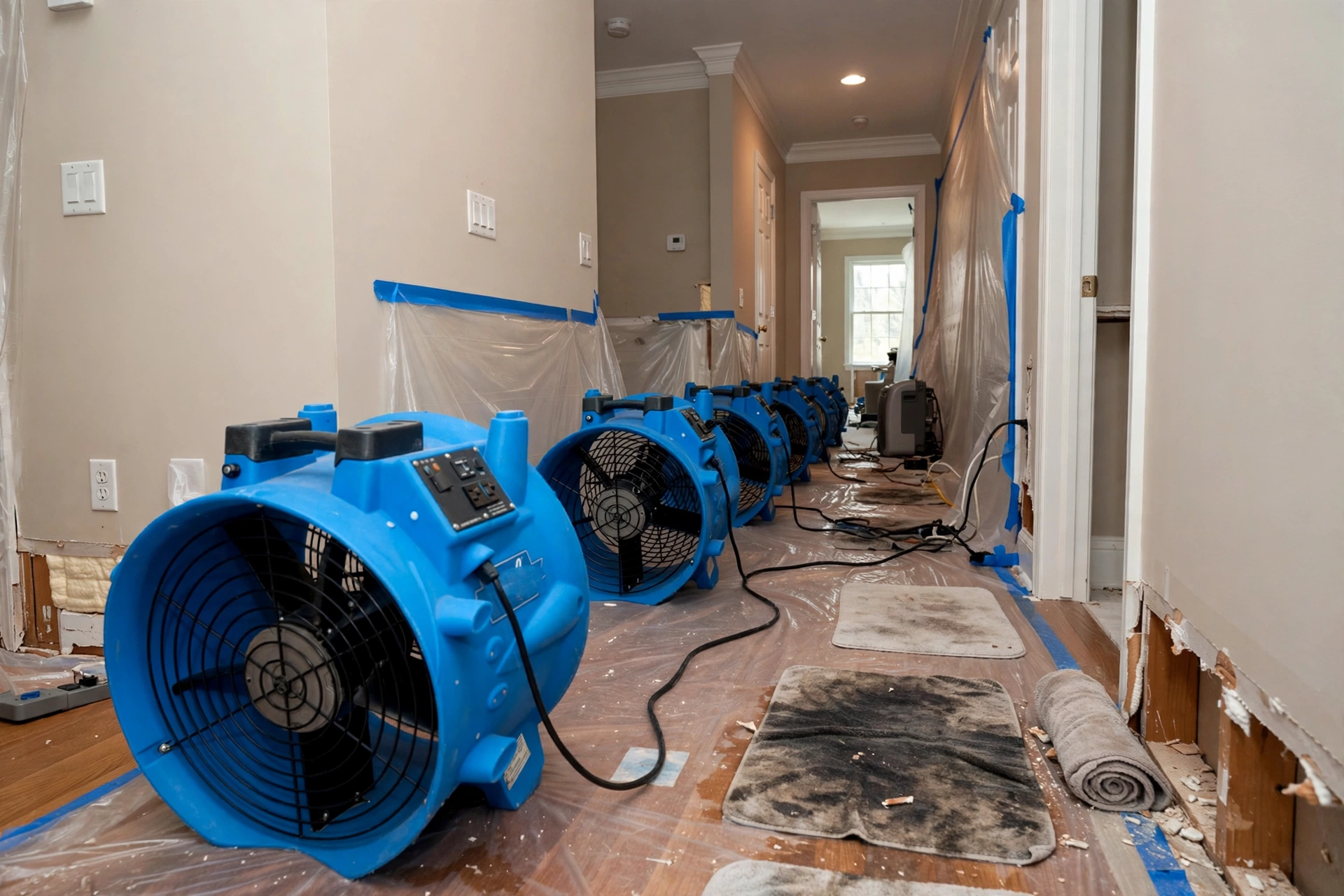
Water damage restoration in Austin, Texas - air movers drying a hallway
Water damage restoration in Austin, Texas - moisture meter drywall inspection
Coverage detail

Which Austin ZIP codes do you cover?

Our Austin water damage coverage spans 44 ZIP codes, verified 2026-10-21. If your ZIP is listed, a local crew can be dispatched to your address. Outside the list? Call anyway, we travel for larger losses.

7870178702787037870478705787127871778719787217872278723787247872578726787277872878729787307873178732787337873478735787367873778738787397874178742787447874578746787477874878749787507875178752787537875478756787577875878759

Coverage is checked against live dispatch availability. Enter your ZIP when you call and we confirm your address instantly.

What is included

What do water damage removal, cleanup and repair include in Austin?

For water damage restoration Austin TX, the job runs in four phases. People use these words interchangeably, but on a real Austin job they are four separate phases, in this order. Here is what each one actually covers.

Water damage removal

The first phase. Pumps and truck-mounted extraction pull standing water out of the Austin property, and soaked materials that cannot be saved, like saturated carpet pad and wet drywall, are removed. Fast water damage removal is what keeps a one-room loss from becoming a whole-home loss. These water removal services Austin TX run around the clock for homes and businesses.

Water damage cleanup

Debris and damaged contents are hauled out, and every remaining surface is cleaned and sanitized. Flood cleanup in Austin follows Category 2 and 3 protocols where the water is contaminated, because ground and street water carries bacteria that plain mopping leaves behind.

Structural drying

Air movers and commercial dehumidifiers dry walls, floors and framing to meter-verified targets, usually in 3 to 5 days. Moisture readings are logged daily and monitored until the structure is confirmed dry, and that log becomes part of the record your insurer receives.

Water damage repair

The final phase. Drywall, flooring, cabinets and paint are repaired or replaced to pre-loss condition. Austin repairs are quoted in writing before work begins, and sudden water events are usually covered by homeowners insurance.

Water categories

What are the three categories of water damage in Austin?

Restoration crews classify water by how contaminated it is, using the IICRC Category 1, 2 and 3 scale. The category decides the safety gear, the cleaning protocol and what can be saved, so it is set during the first inspection of your Austin property and recorded for your insurer.

Category 1 - Clean water

Water from a sanitary source: a broken supply line, a leaking faucet, rainwater through a roof opening or an appliance feed line. It starts out with low risk, but in Texas heat it degrades fast. Left standing for 24 to 48 hours it picks up bacteria from floors and walls and becomes Category 2, which is why even clean water cannot wait.

Category 2 - Gray water

Water with significant contamination: washing machine and dishwasher discharge, toilet tank water, sump pump failures and aquarium leaks. It carries bacteria and chemicals, so Austin crews wear protective gear, disinfect every surface it touched and usually remove carpet pad it soaked.

Category 3 - Black water

Grossly contaminated water: sewage backups, toilet backflows, and ground water from flooding. In Austin, all creek and street water that comes from outside the home is treated as Category 3. Porous materials it soaks, like carpet, pad and drywall, are removed rather than cleaned, and the area is sanitized before drying starts.

Not sure which category your loss is? Treat unknown water as the higher category until a Austin technician tests it. The category is also written into your insurance file, and it affects what your policy covers for cleanup.

Who we help

Which property types do you restore in Austin?

Austin properties range from historic central bungalows to new Hill Country subdivisions and downtown condos, and each type hides water differently. Older central homes leak through aging pipes and roofs, newer two-story homes leak from upstairs down, and condos share stack plumbing with their neighbors. We dry all of them to the same meter-verified standard.

Single-family homes

Whole-home extraction and drying for Austin houses of any age, from older central homes to new suburban construction.

Condos

Unit-to-unit leaks, ceiling damage, and stack plumbing failures, coordinated with your Austin condo association.

Townhomes

Shared-wall water problems traced to the true source and dried without guesswork.

Apartments

Fast, turnover-safe drying for occupied and vacant rental units across Austin.

HOA communities

Common-area, clubhouse, and gate-house water events with full documentation for the board.

Vacation rentals

Storm and leak damage handled between guests so your Austin bookings stay open.

Hotels and offices

After-hours crews and phased drying that keep your business operating during restoration.

Restaurants and retail

Water damage dried fast and documented thoroughly to limit downtime and lost revenue.

Commercial work in Austin covers offices, restaurants, retail, hotels, and property managers: phased drying, after-hours crews, and documentation that a manager can hand straight to an owner or insurer.

Honest pricing

How much does water damage restoration cost in Austin?

Every loss is scoped on site for free, but these Texas averages help you plan. Most Austin homeowners fall inside these ranges, and sudden water events are often covered by insurance when the loss is documented properly.

ServiceTypical rangeWhat changes the price
Emergency water extraction$1,500 to $4,500Water volume, rooms affected, flooring type
Structural drying (multi-room)$2,000 to $6,000Materials involved, drying days required
Flood cleanup after storms$2,500 to $9,000Contamination category, debris and materials removed
Burst pipe drying and repair$2,000 to $7,500Pipe location, flooring and drywall replacement
Full restoration with rebuild$5,000 to $15,000+Area size, material choices, reconstruction scope

Cost ranges reflect typical Texas water losses and are not quotes. Your written quote after the free inspection is what counts.

How it works

How does water damage restoration work in Austin?

  1. Call and dispatchReach us any hour at (607) 300-1334. Send photos of the damage by text for a faster assessment and honest ETA.
  2. Free inspection and scopeWe locate the source, map moisture with meters and infrared cameras, photograph everything, and give you a written scope and price range before work begins.
  3. Extraction and dryingStanding water comes out first, then air movers and dehumidifiers dry the structure. We check moisture readings daily and adjust equipment as needed, and we do not close out until readings confirm the structure is dry.
  4. Repairs and verificationWe repair damaged drywall, flooring and trim, verify final dryness with meters, and walk the finished job with you. Documentation goes to your insurer as a line-item scope.
Local reviews

What Austin homeowners say

DryOut Inc is the water damage restoration company Austin homeowners call first, rated 4.9 out of 5 for water damage removal, drying and repairs. Recent reviews from the Austin area:

★★★★★

"Our AC drain clogged and water soaked the closet ceiling and carpet. DryOut Inc found the overflow fast, dried the cavity with daily meter readings, and gave our insurer a clean documentation file."

Sarah W. - Hyde Park | AC condensate leak

★★★★★

"Storm water came in through our back door and soaked the ground floor. The crew extracted it the same night, set drying equipment the same evening, and walked us through every reading until the job was verified dry."

Daniel O. - Zilker | Storm water entry

★★★★★

"Our water heater burst in the utility closet and flooded the hallway. They arrived fast, saved the flooring in the next room, and coordinated the repair quote in writing before any work started."

Kim N. - Mueller | Water heater burst

Read more customer reviews

Safety first

Is water damage dangerous in Austin?

It can be. Until a Austin crew has checked the property, treat standing water and wet materials with real caution:

  • Electrical risk: never step into standing water near outlets, appliances or the panel. Touch the breaker only if you can reach it with completely dry footing.
  • Contaminated water: storm, ground and sewage water is Category 3. Keep children and pets out of affected rooms until they are cleaned and sanitized.
  • Sagging ceilings: a bulging or dripping ceiling can collapse without warning. Leave the room and do not push up on it.
  • Gas or sewage smells: leave the property, and call 911 or your gas utility before calling anyone else.
  • Mold timeline: mold can start within 24 to 48 hours in wet materials, which is why drying cannot wait for the weekend.
Insurance records

How do you document water damage for insurance in Austin?

Good records are the difference between a smooth claim and a fight. This is the documentation checklist our Austin crews build on every job, and you can start it before we arrive:

  • Photos and video of every affected room before anything is moved or removed
  • The discovery time and the known source, written down as a simple timeline
  • Room, floor and contents labels on every photo set
  • Receipts for emergency supplies, tarps, hotel nights and any work you pay for
  • Damaged items kept aside until the adjuster has seen them, whenever that is safe
  • Our moisture logs, drying records and line-item scope, shared with your adjuster

Texas policies require prompt notice of a loss, so report it quickly and keep every receipt. Sudden and accidental events are usually covered, while gradual leaks and wear and tear are typically excluded, and floodwater from outside the home generally needs separate flood insurance. Check your own policy for its terms, and ask your carrier or agent about anything unclear. The Austin file we build protects your claim from the first call. Read more on our insurance claims help page.

Water damage restoration in Austin, Texas - insurance claim documentation
Hidden damage

What are the signs of hidden water damage in Austin?

Some of the costliest Austin losses never show a puddle. Water hides inside walls, under floors and above ceilings, sometimes for weeks. These are the signs our Austin crews check first, and they are worth a call even when nothing looks wet:

  • Musty odor: an earthy smell that stays after cleaning, strongest in one room, a closet or around the AC closet.
  • Bubbling paint: paint that blisters or peels, or wallpaper pulling away from the wall.
  • Warped floors: boards that buckle, cup or feel soft and spongy underfoot.
  • Growing stains: wall or ceiling marks that spread, darken or come back after repainting.
  • Swollen baseboards: trim swelling, separating from the wall or pulling away at the corners.
  • Sticking doors and windows: frames that suddenly jam when they used to line up.
  • Unexplained water bill: usage jumps with no change in habits, or you hear running water when every tap is off.
  • Mold spots: growth in corners, under sinks, around tub seals or on AC vents, often the first visible sign of a hidden leak.

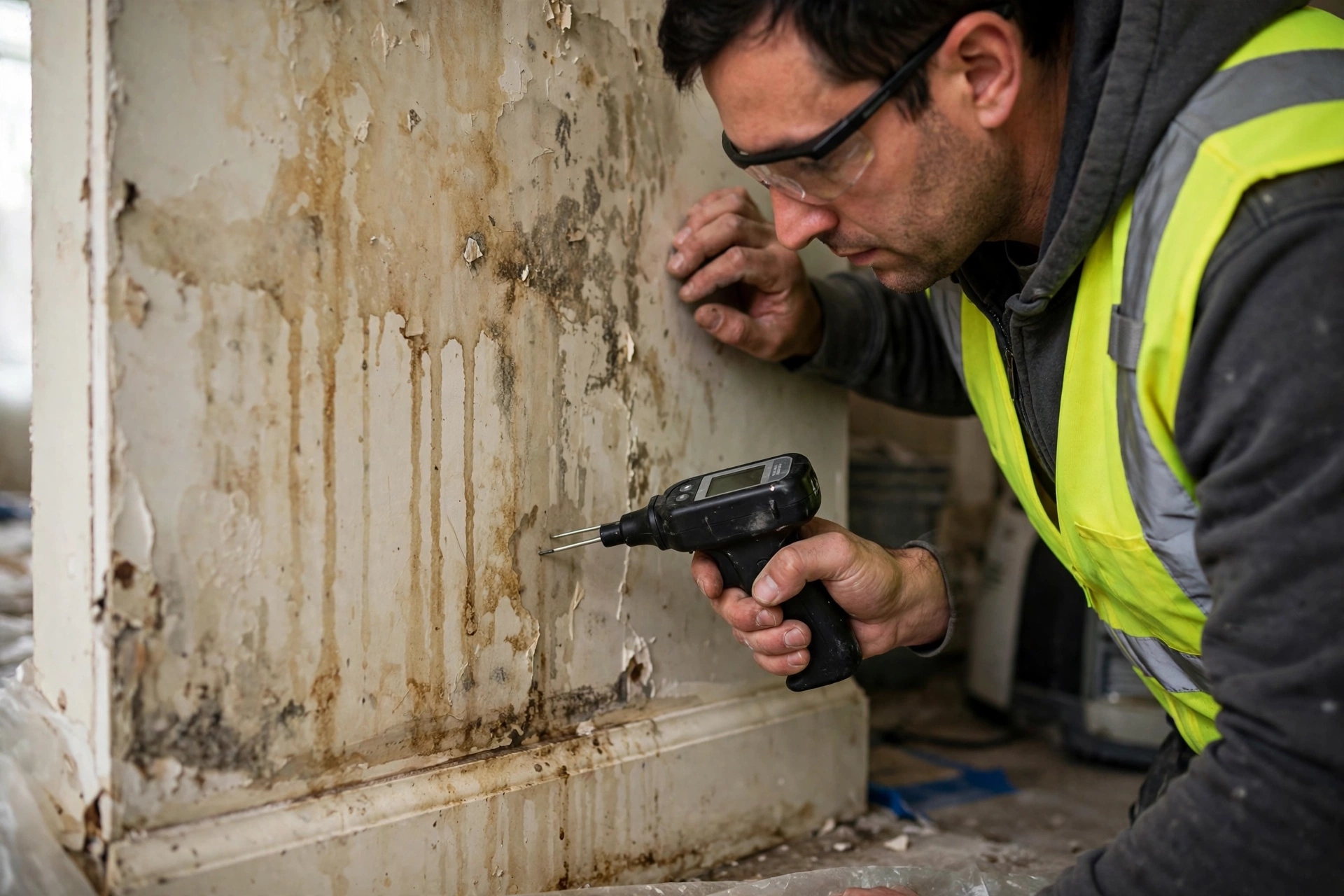
One sign alone can be nothing. Two or more together usually mean moisture is trapped somewhere. A Austin technician can confirm it with moisture meters and an infrared camera, without tearing walls open, and an early check is what keeps a hidden leak from turning into mold remediation or structural repair. Call (607) 300-1334 for an inspection.

FAQ

Water damage FAQs for Austin

Yes. Water damage removal is the first phase of every DryOut Inc job in Austin: we extract standing water, remove soaked materials that cannot be saved, and start structural drying on the same visit. Our crews provide emergency water damage removal Austin TX around the clock, and removal usually starts within the hour in Austin, day or night.

Most Austin repairs after drying run $500 to $2,500 for a single contained room, while multi-room losses with flooring, drywall or cabinetry work run higher. The exact number depends on materials and scope, and sudden water events are usually covered by homeowners insurance. We quote every repair in writing before the work begins.

The best water damage removal Austin TX homeowners can hire is the one that answers live at 2 AM, starts extraction within the hour, and documents every moisture reading for the insurance file. Ask any company for its drying standard (ours is IICRC S500) and a written scope before work begins, and compare the answers.

We cover the Austin area ZIP codes listed on this page, verified against our current dispatch coverage. Enter your ZIP when you call and dispatch confirms your address instantly. If you are just outside the listed ZIPs, call anyway: we travel for larger losses and emergencies.

Call the plumber to stop an active leak if you need a repair, but call a restoration company immediately for the water itself. Plumbers fix pipes; we extract water, dry the structure and prevent mold. In most cases you need both, and we coordinate with your plumber so nothing is delayed.

Look for a Austin company that answers 24/7, arrives with moisture meters rather than just fans, documents everything for your insurer, and quotes repairs in writing before starting. DryOut Inc works to the IICRC S500 standard, and you get one named contact from the first call to the final walkthrough.

Shut off the water source if it is safe to do so, turn off electricity to the wet area, and move valuables and electronics out of the water. Put foil or wood blocks under furniture legs on wet carpet, and photograph everything before you move it. Then call us. Do not wait to see if it dries on its own: mold can begin growing within 24 to 48 hours in wet materials, which turns a drying job into a much bigger project.

It depends on the cause. Sudden and accidental events like burst pipes are usually covered; gradual leaks, wear and tear, and floodwater from outside the home are typically excluded or need separate flood insurance. Texas policies require prompt notice of a loss, so report it quickly and keep every receipt. We document everything with line-item scopes to support your claim.

Official resources

Public resources for Austin homeowners

Government resources we point Austin customers to during and after a water emergency. External links open in a new tab.

Free inspection

Request a callback in Austin

Tell us where the water is and we will call you back fast, usually within minutes, day or night. A local Austin crew can be dispatched as soon as you confirm. Prefer to talk now? Call (607) 300-1334.

  • Free on-site inspection and moisture mapping
  • Written quote before any work begins
  • Insurance documentation handled for you

We only use your details to respond to this request.

Water damage in Austin? Do not wait.

Water spreads and mold follows within 24 to 48 hours. Call now for a free inspection and a crew on the way.

Call 24/7: (607) 300-1334