Local water risks
What causes water damage in Fort Worth and Tarrant County?
Fort Worth risk is river risk plus clay risk plus freeze risk. The Trinity forks and their tributaries flood after heavy rain, the soil moves under slabs, and winter cold splits pipes that were fine all summer.
The Clear Fork and the West Fork of the Trinity River meet in Fort Worth, and tributary creeks, including Marine Creek through the central city, flood after heavy rain when runoff overwhelms channels and street drainage. Severe thunderstorms add roof damage: hail and wind open up shingles, and the next rain comes straight through the attic into ceilings and insulation. Underneath it all, expansive North Texas clay swells and shrinks with the seasons, shifting slab foundations and cracking buried supply lines. Inside, water heaters, washing machine hoses, and upstairs bathrooms cause the steady background of Fort Worth calls. And winter is a real season here: the February 2021 freeze burst pipes across the metro, especially in attics and on exterior walls, and every hard freeze since has produced the same calls.
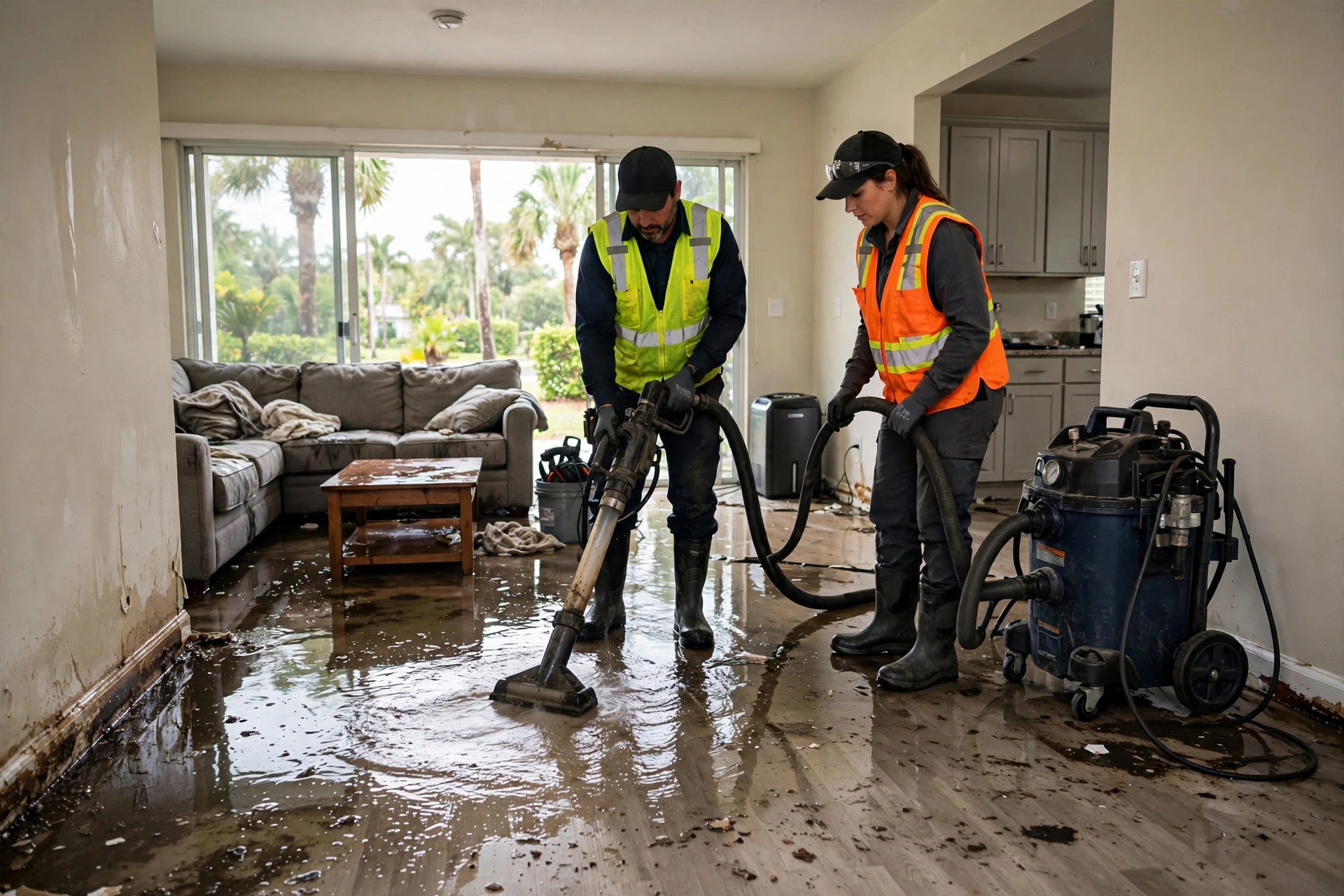
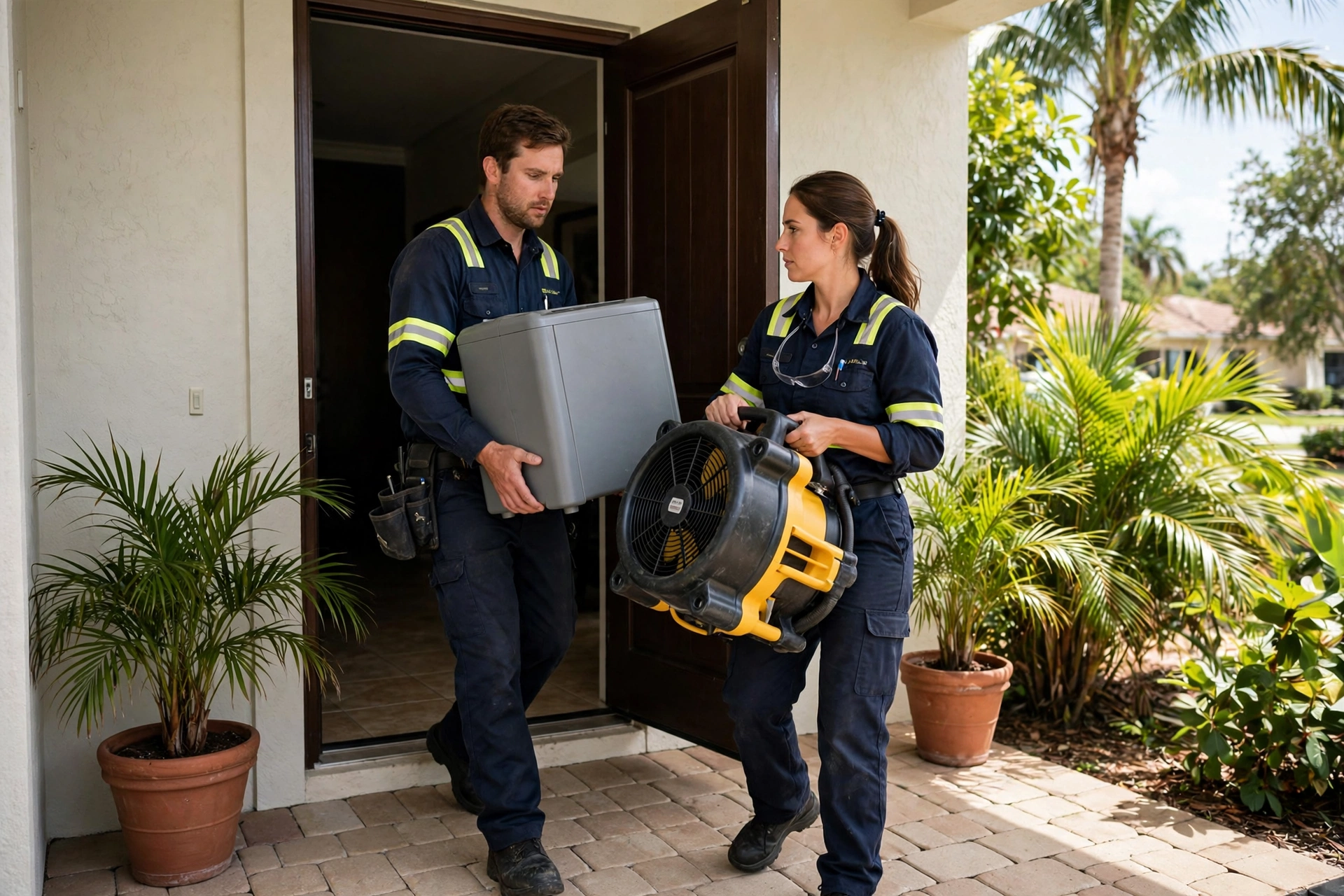
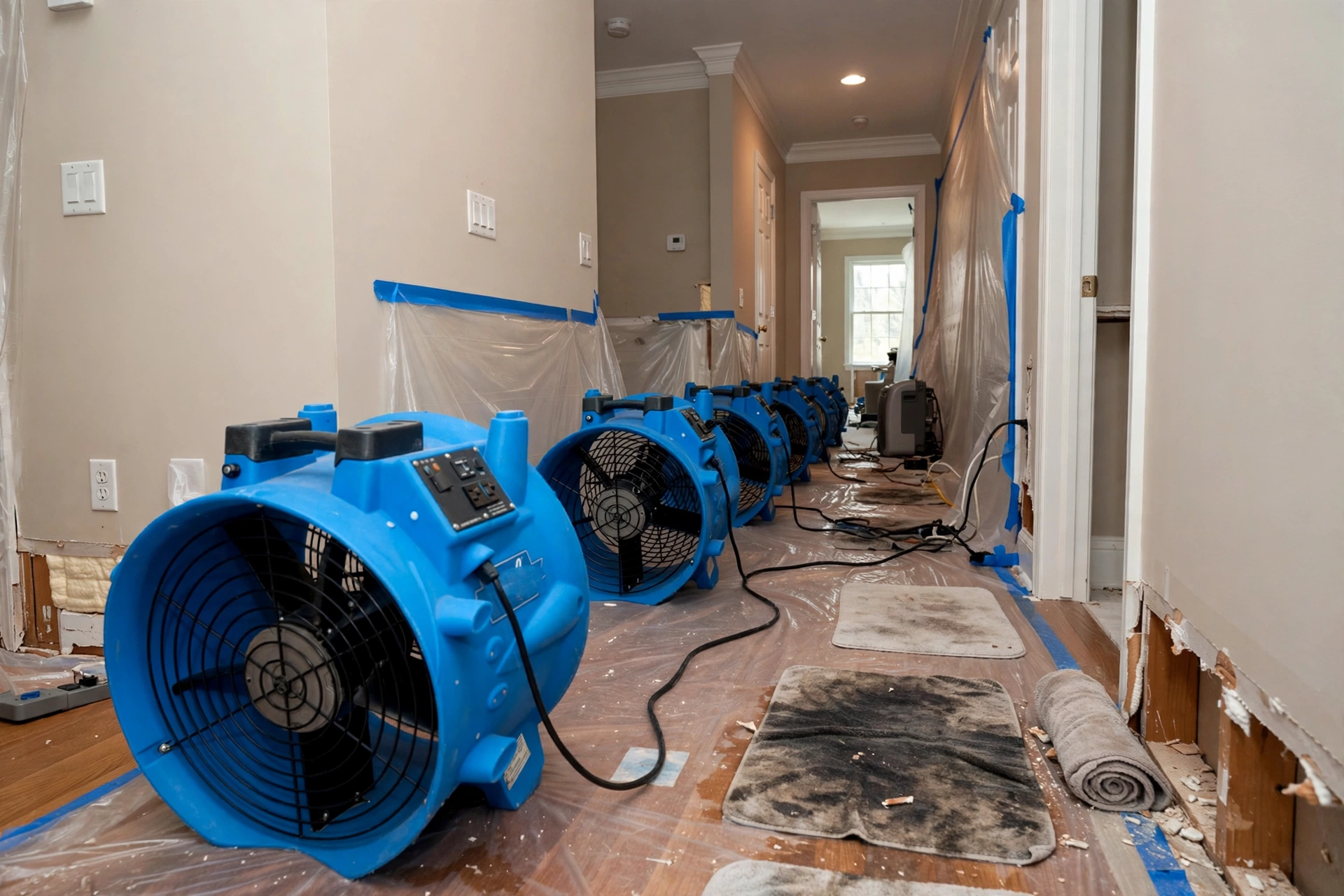
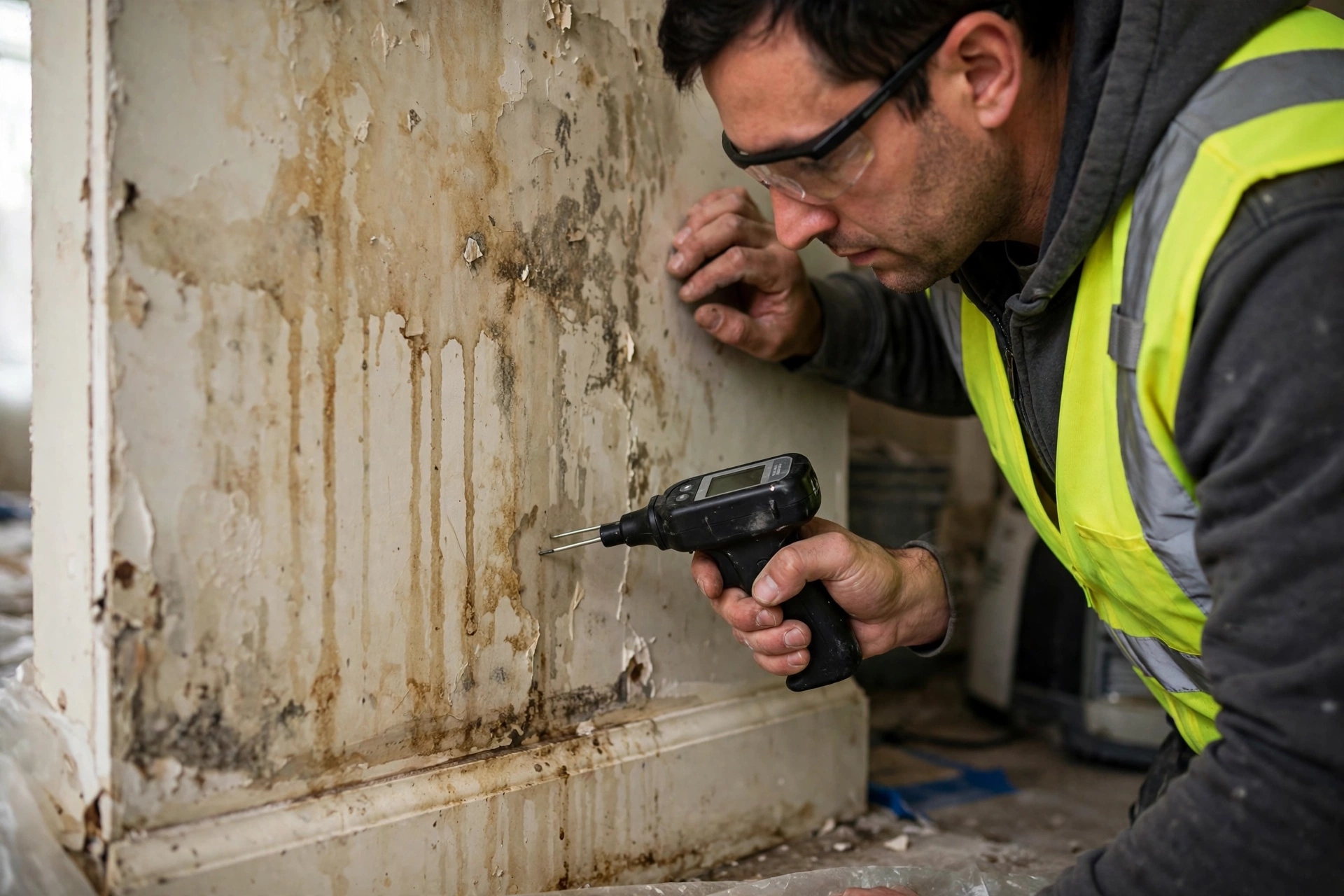
Fort Worth homes span a wide age range, from historic central neighborhoods to new subdivisions on the north side, and age changes where water hides. Older homes tend to leak through aging galvanized or copper lines and older roofs, while newer two-story homes tend to leak from upstairs bathrooms into the rooms below. Ranches on slabs hide leaks under floors for weeks. Our crews therefore start every Fort Worth job with moisture mapping, using meters and infrared cameras to find the full footprint before any drying equipment is placed, because drying only the visible stain guarantees a return visit.
The water damage calls our Fort Worth crews answer most often:
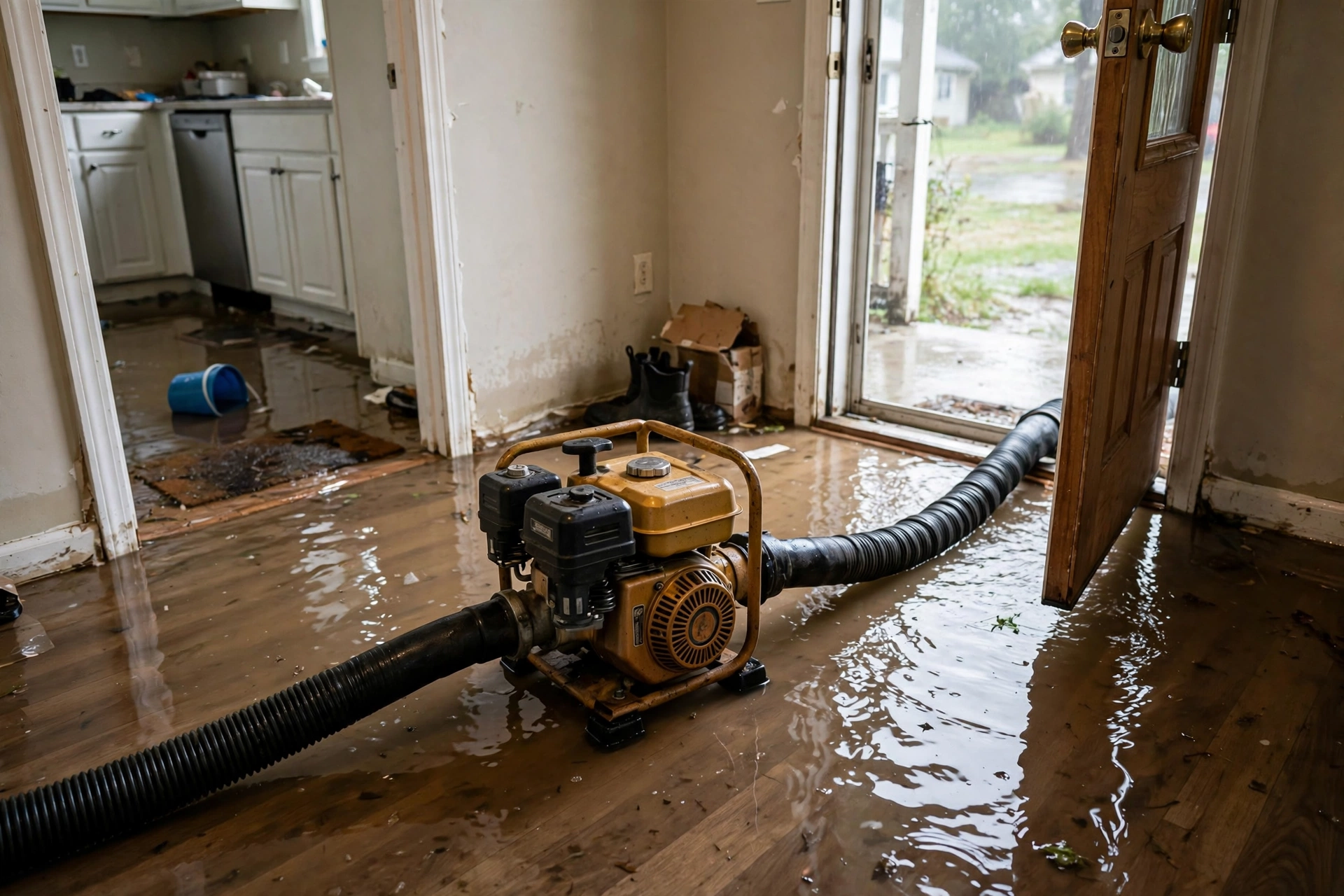
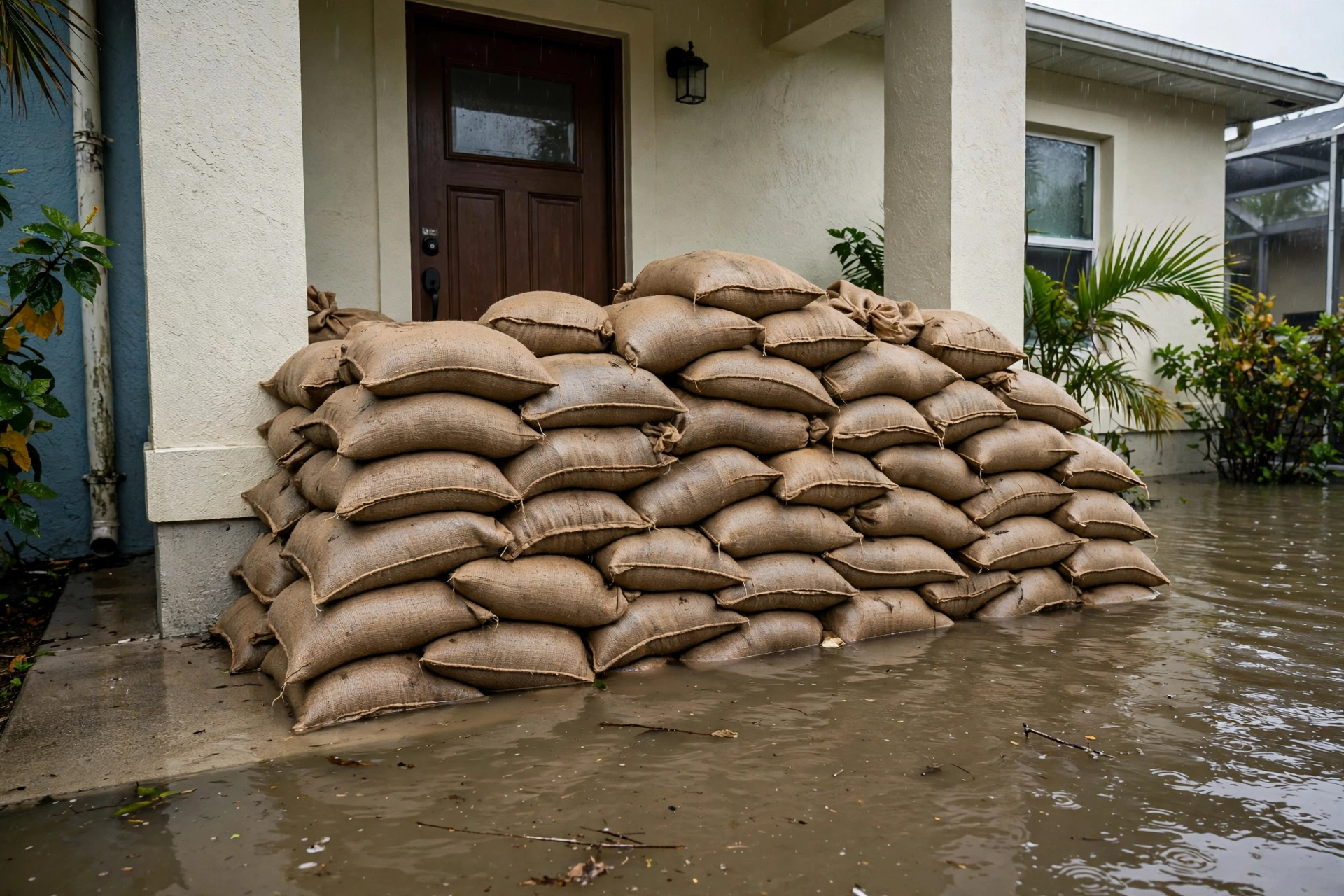
- Clear Fork and West Fork Trinity tributary flooding after heavy rain
- Marine Creek and neighborhood creek rises that flood low streets
- Slab leaks on expansive North Texas clay foundations
- Roof leaks after hail and severe thunderstorms
- Burst pipes in attics and exterior walls during hard winter freezes, including the February 2021 freeze
- Water heater bursts, appliance hose failures, and upstairs bathroom overflows
- Sewage backups when heavy rain overwhelms older drainage