Local water risks
What causes water damage in Arlington and Tarrant County?
Arlington risk is creek risk plus clay risk plus storm risk. Johnson Creek and the Trinity tributaries that drain the city flood low stretches in storms, and the same clay and freeze patterns that affect Fort Worth and Dallas affect Arlington homes.
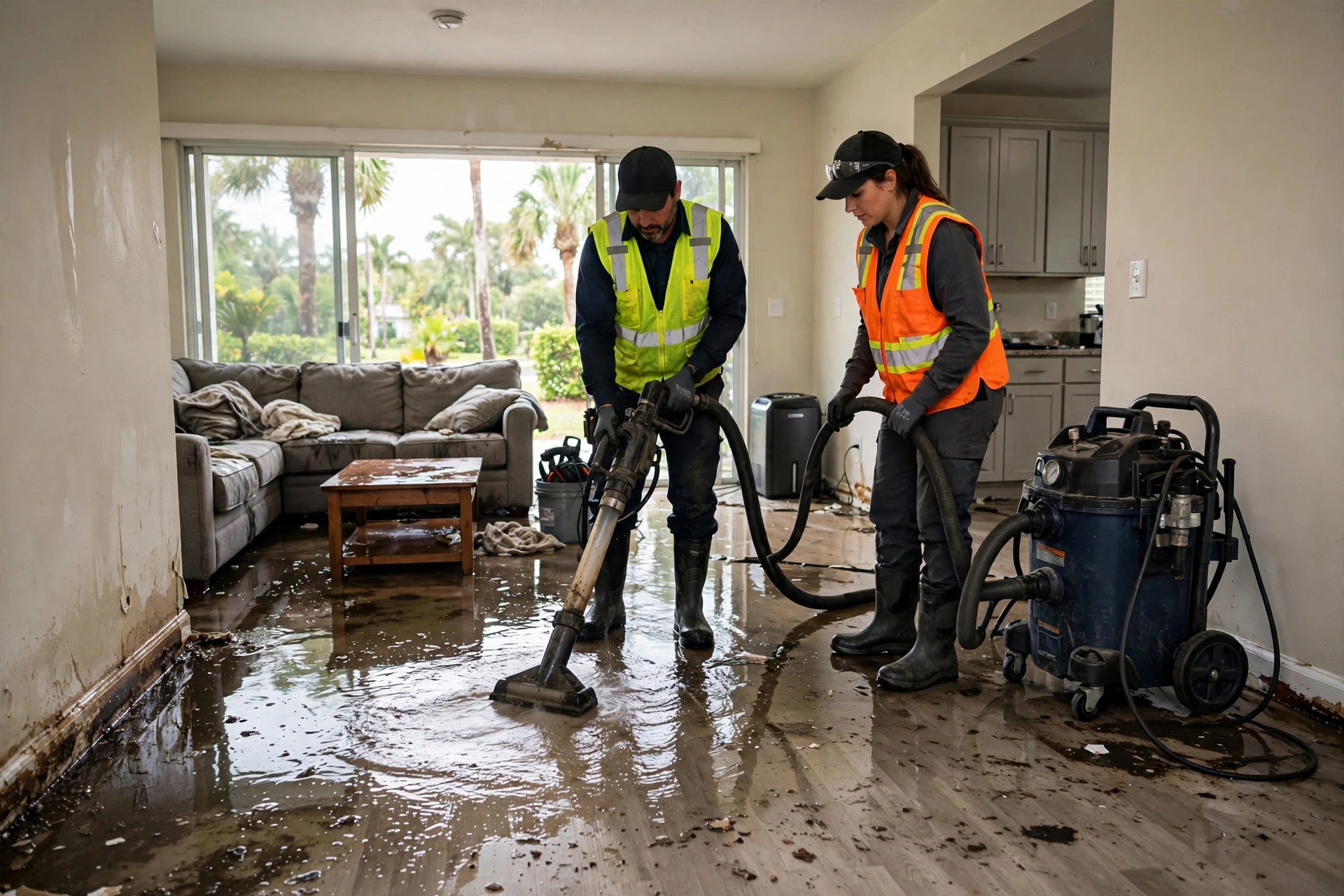
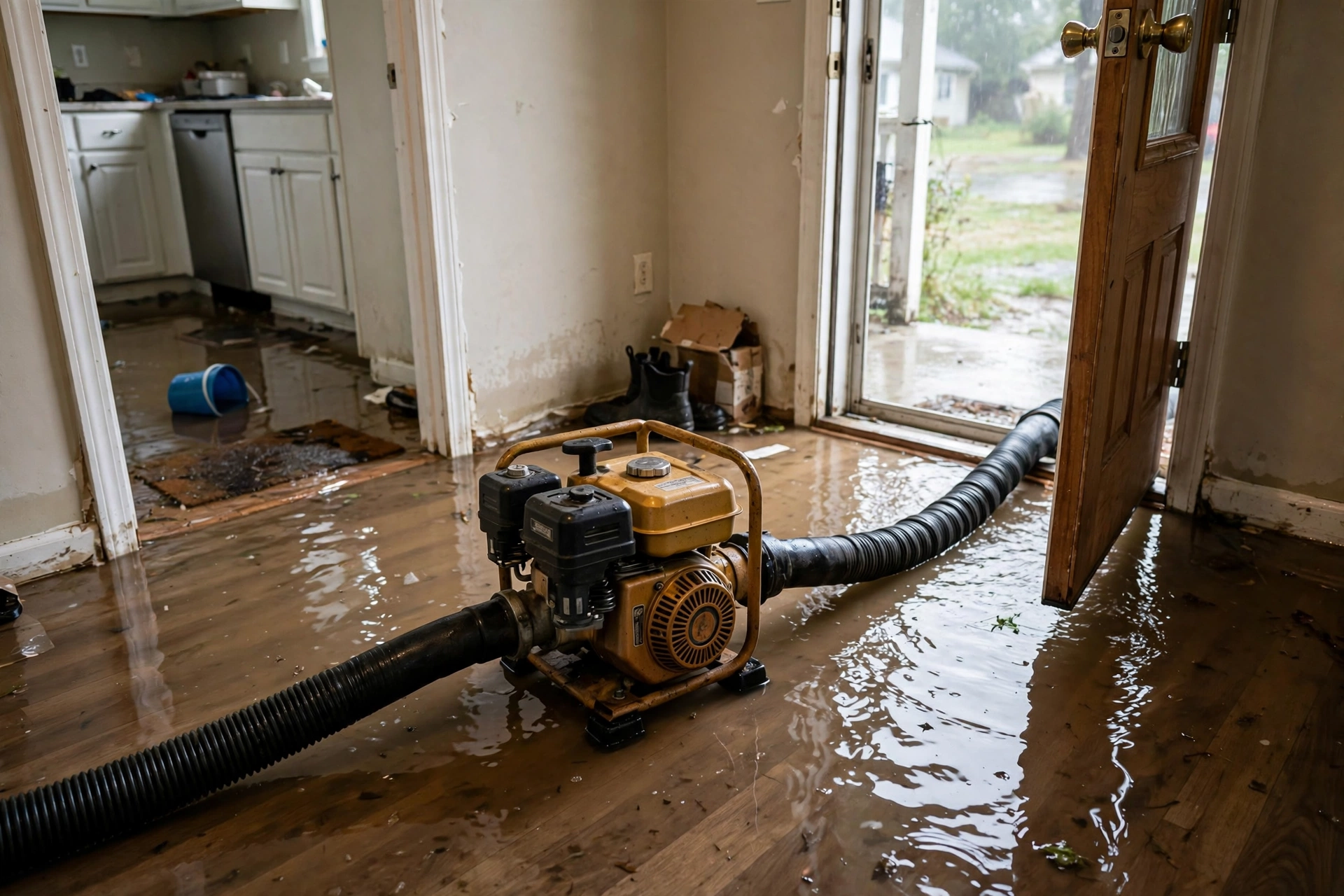
Johnson Creek runs through Arlington, joined by Village Creek and other Trinity River tributaries, and low-lying stretches along these waterways flood when heavy rain overwhelms channels and street drainage. Severe thunderstorms bring a second problem: hail and wind damage roofs, and rain then enters through attics into ceilings and insulation, sometimes days after the storm that caused the damage. Underneath, expansive clay soil swells and shrinks with wet and dry weather, shifting slab foundations and stressing buried supply lines. Inside, the familiar failures follow: water heaters, washing machine and dishwasher hoses, upstairs bathroom overflows, and air conditioning condensate clogs. Hard winter freezes, including February 2021, add burst pipes in attics and exterior walls, a risk that surprises homeowners in a city known for hot summers.
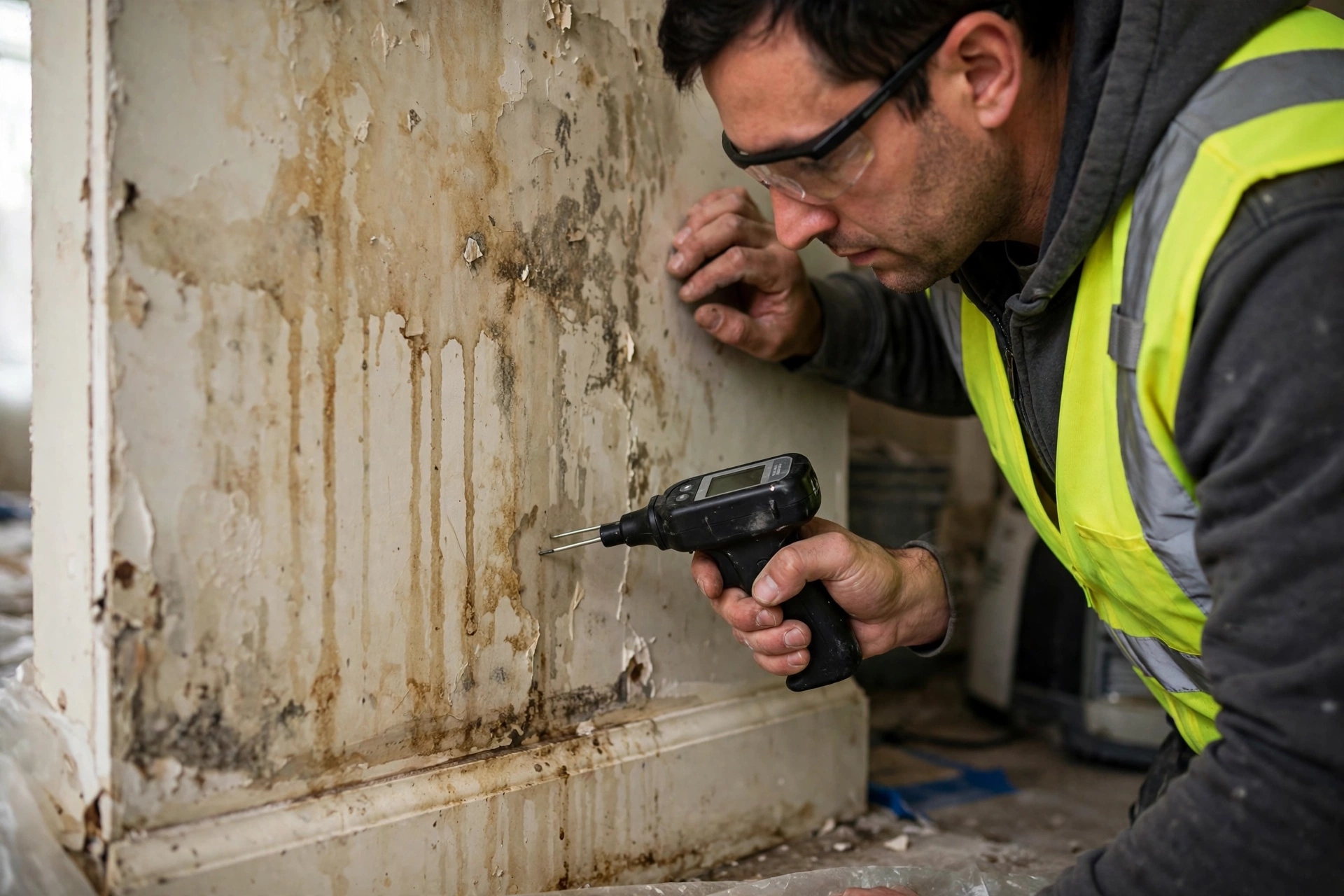
Arlington homes are mostly slab-built subdivisions, which changes how leaks announce themselves. A slab leak rarely shows a puddle; it shows a warm floor, a damp carpet edge, a rising water bill, or the sound of running water when every tap is off. By the time a stain appears on a wall, the subfloor may already be soaked. Our Arlington crews therefore treat slab leak detection and moisture mapping as the first step on every unexplained dampness call, not as an optional extra, because finding the source early is what keeps a one-room drying job from becoming a flooring replacement across the whole house.
The water damage calls our Arlington crews answer most often:
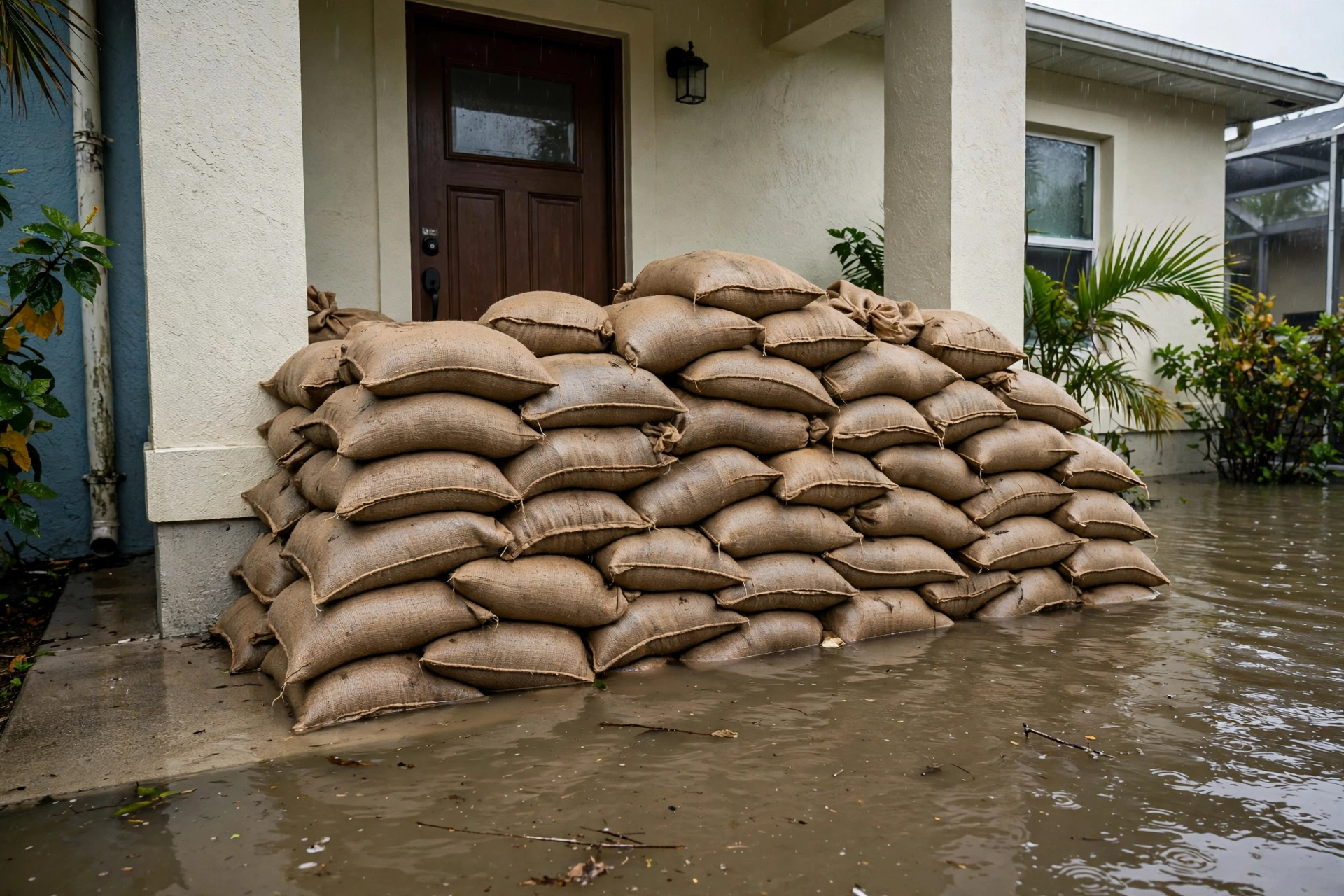
- Johnson Creek and Trinity tributary flooding in low-lying stretches after heavy rain
- Street and garage flooding when severe thunderstorms overwhelm drainage
- Slab leaks on expansive North Texas clay foundations
- Roof leaks after hail and severe thunderstorms
- Burst pipes in attics and exterior walls during hard winter freezes, including the February 2021 freeze
- Water heater bursts, appliance hose failures, and upstairs bathroom overflows
- AC condensate line clogs during the long North Texas cooling season