Local water risks
What causes water damage in Flower Mound and Denton County?
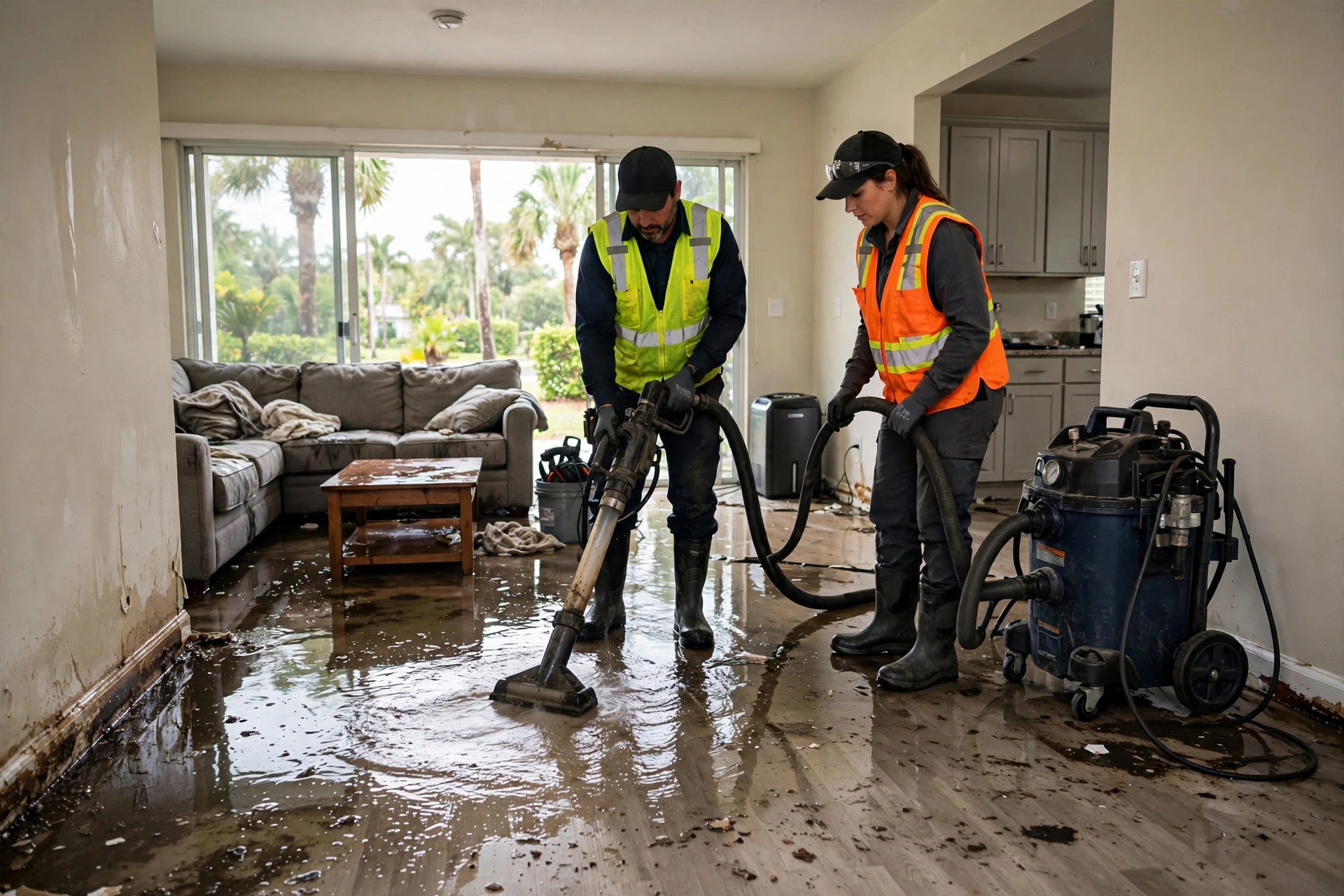
Water damage in Flower Mound follows the local pattern set by Grapevine Lake and Denton Creek, plus the indoor plumbing failures that affect every Texas home. Our Flower Mound crews have handled both kinds of loss across the city, and the response differs by source, which is why the first inspection matters so much.
Grapevine Lake and Denton Creek border Flower Mound, with creek flooding in storms, and that border is the main outdoor risk in town. When a strong North Texas storm drops heavy rain over the Denton Creek watershed, creek levels rise, low crossings and drainage paths back up, and water can reach garages, ground floors and low streets. Lake influenced runoff adds to the same problem on the southern side of town, where storm drains carry lake area water toward homes that sit only slightly above the surrounding ground.
Inside Flower Mound homes, size and layout create their own pattern. Two story homes mean an upstairs bathroom or laundry failure can soak a ceiling, a wall cavity and a ground floor room at once, and long supply line runs give a small leak many places to hide. Flower Mound also sits on expansive clay soil, so seasonal swelling and shrinking can stress slab plumbing and produce slow leaks under flooring. Add AC condensate clogs during the long cooling season, water heater bursts in garages, and burst pipes during a North Texas winter freeze, and the indoor list for Flower Mound is as long as the outdoor one.
The water damage calls our Flower Mound crews answer most often:
- Denton Creek flooding after heavy North Texas storms
- Grapevine Lake area runoff backing up on low streets
- Street and drainage backups in creek corridors
- Slab leaks on expansive clay foundations
- Upstairs bathroom and laundry leaks in two story Flower Mound homes
- Water heater bursts in garages and utility rooms
- AC condensate line clogs and frozen burst pipes in winter freezes