Local water risks
What causes water damage in Plano and Collin County?
Plano risk is creek risk plus clay risk plus hail and freeze risk. White Rock Creek and Rowlett Creek drain the city toward the East Fork of the Trinity River, and the Blackland clay under its subdivisions moves with every wet and dry cycle.
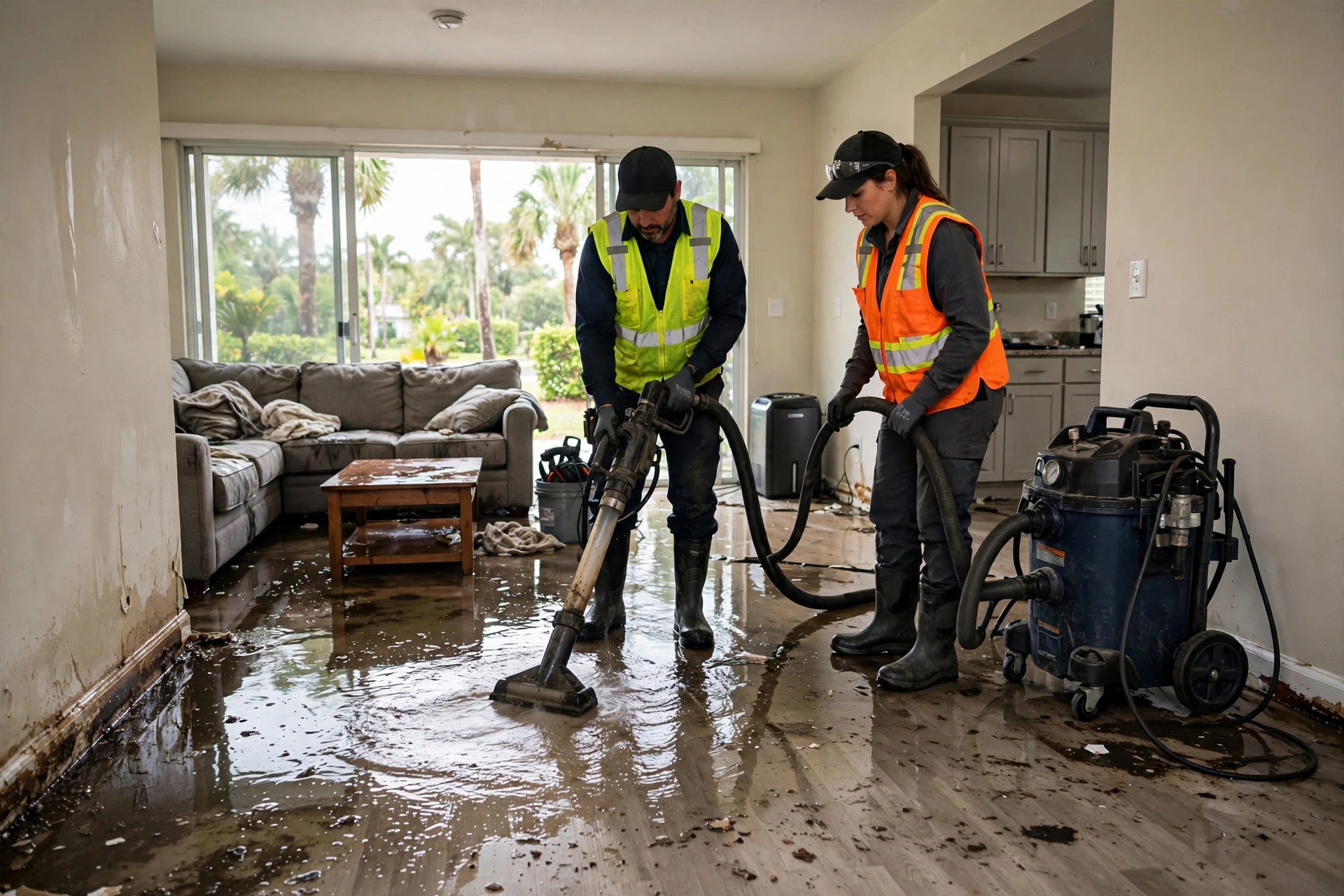
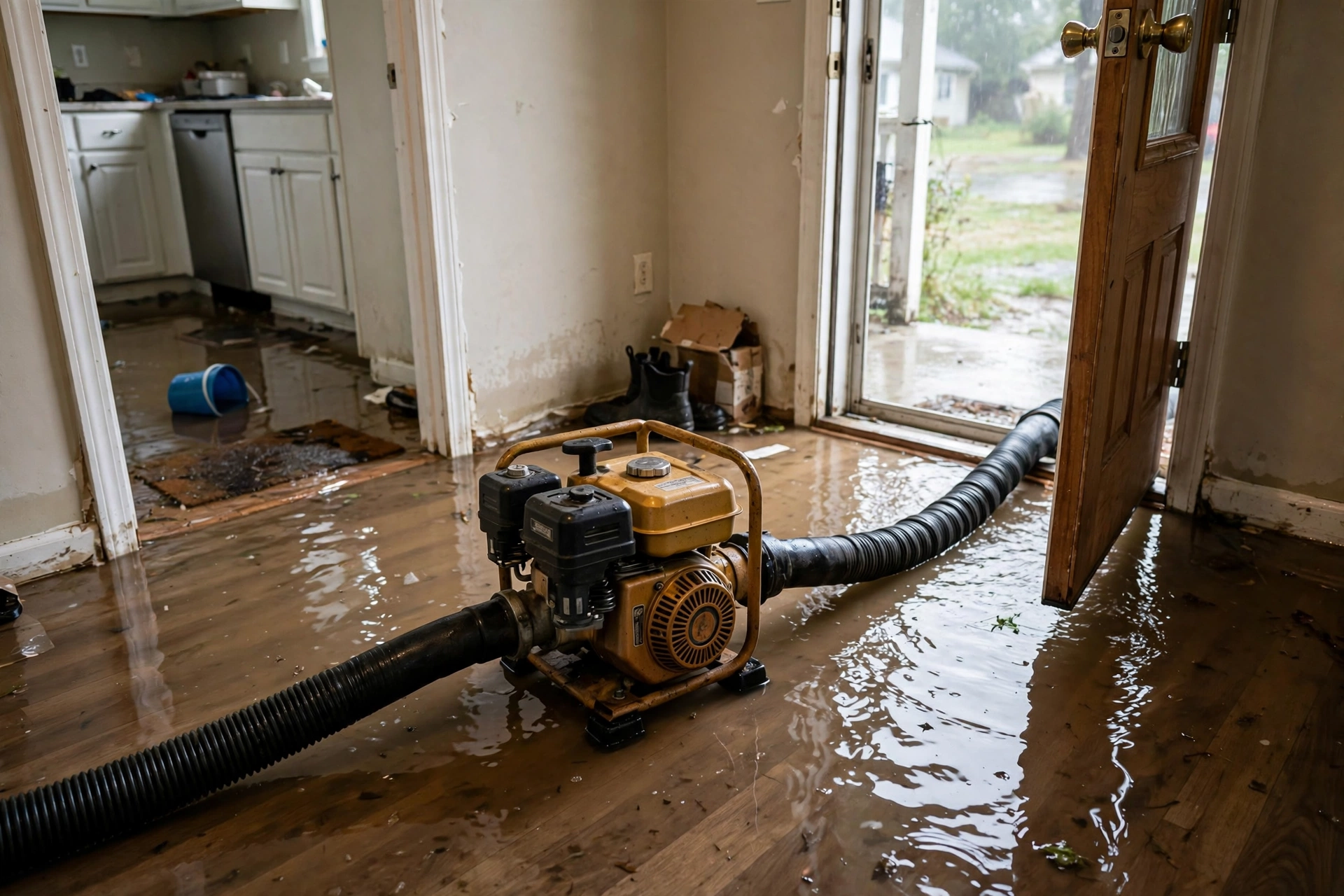
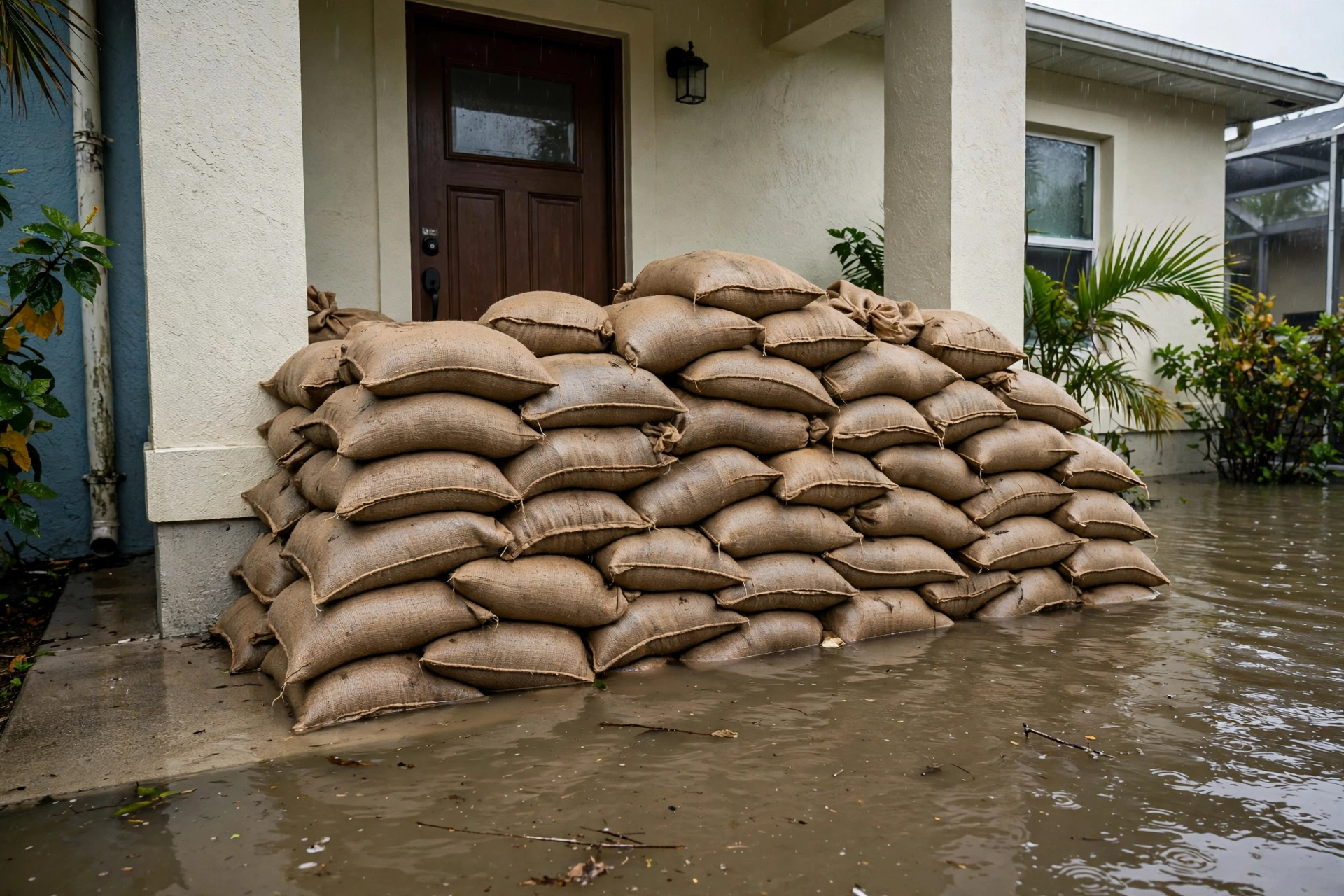
White Rock Creek drains the western side of Plano and Rowlett Creek drains the east, both flowing toward the East Fork of the Trinity River. After severe thunderstorms, these creeks and the street drainage that feeds them can flood low ground, garages, and ground floors, especially where a street dips toward a channel. Hail is the other Plano signature: spring storms damage shingles across whole subdivisions, and rain then enters through attics into insulation and ceilings, sometimes weeks after the hailstorm that caused the damage. Underneath, Blackland Prairie clay swells when wet and shrinks when dry, shifting slab foundations and cracking buried supply lines. Inside, water heaters, appliance hoses, upstairs bathroom overflows, and air conditioning condensate clogs cause the steady background of Plano calls, and hard winter freezes, including February 2021, burst pipes in attics and exterior walls.
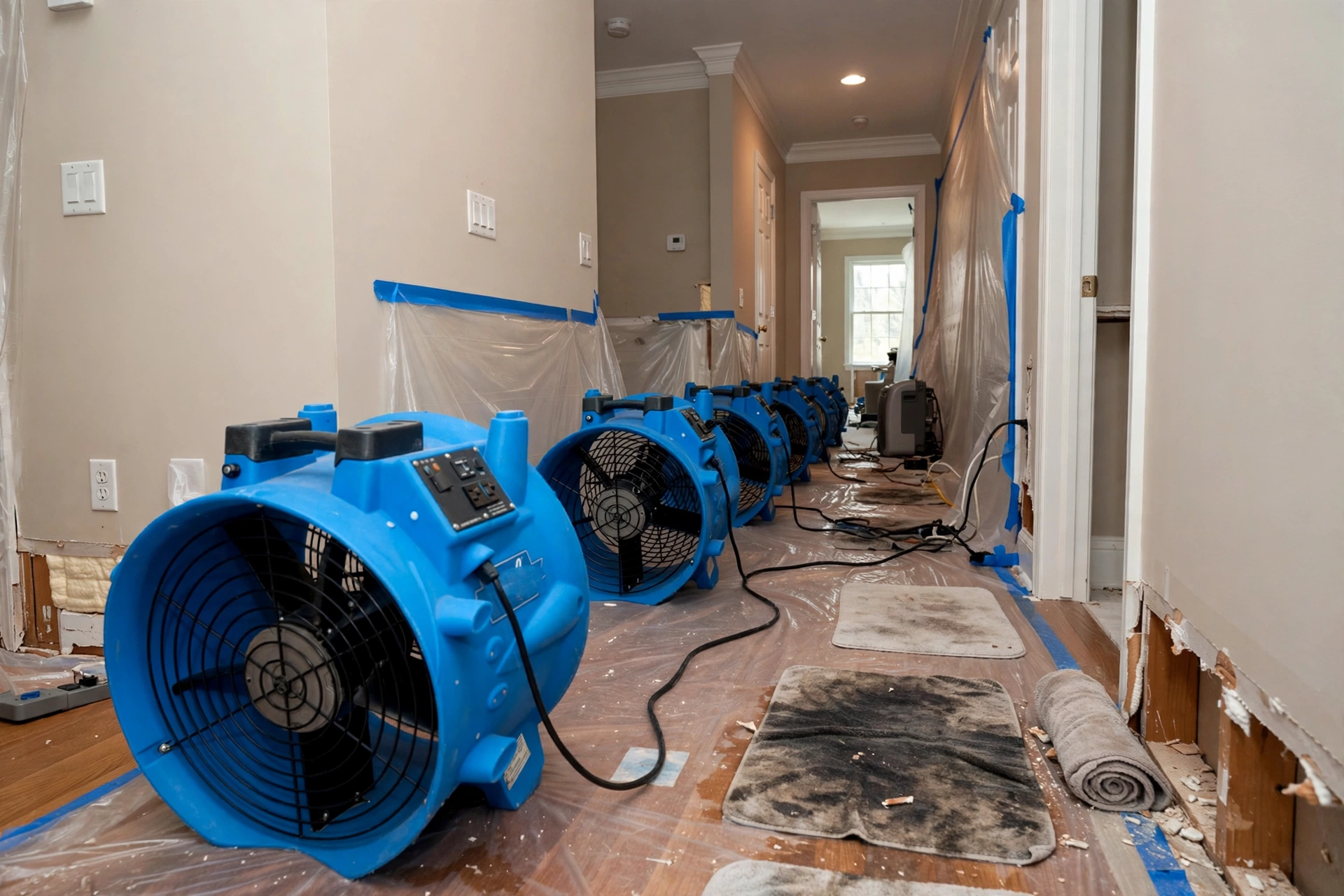
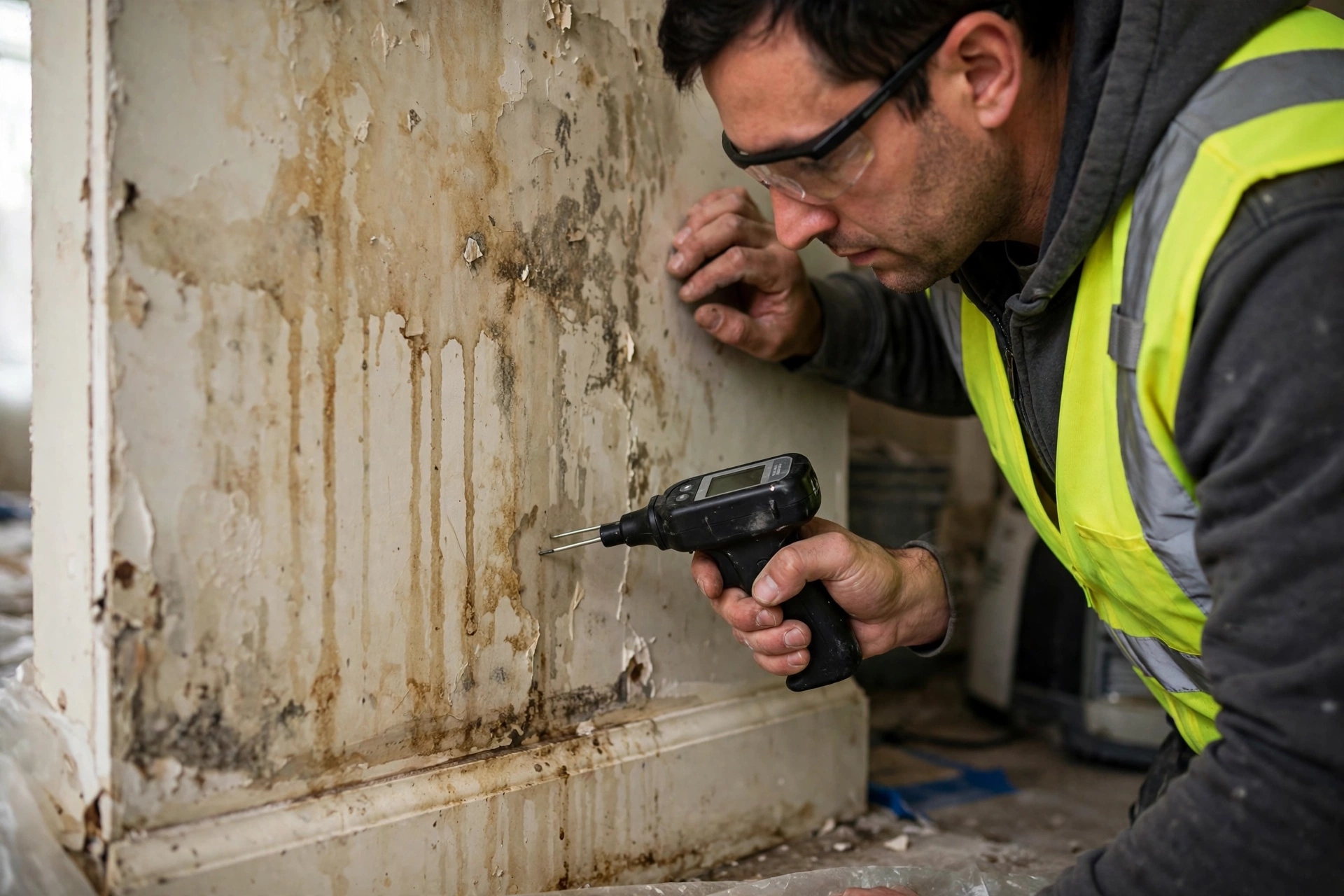
Plano homes are overwhelmingly two-story slab homes, which means water rarely stays where it starts. An upstairs toilet supply line can soak a kitchen ceiling, a slab leak can hide under a whole living room floor, and a roof leak can travel along attic framing before it stains a ceiling far from the entry point. Our Plano crews therefore map moisture across rooms, not just around the visible stain, using meters and infrared cameras to trace water to its source. That wider map is what prevents the most common Plano frustration: a repair that fixes the stain while the real leak keeps soaking the structure behind it.
The water damage calls our Plano crews answer most often:
- White Rock Creek and Rowlett Creek flooding low ground after severe storms
- Street and garage flooding when storm drainage backs up
- Slab leaks on Blackland Prairie clay foundations
- Roof leaks after hail and severe thunderstorms
- Burst pipes in attics and exterior walls during hard winter freezes, including the February 2021 freeze
- Upstairs bathroom overflows and supply line failures in two-story homes
- Water heater bursts, appliance hose failures, and AC condensate clogs