Emergency Water Extraction in Garland
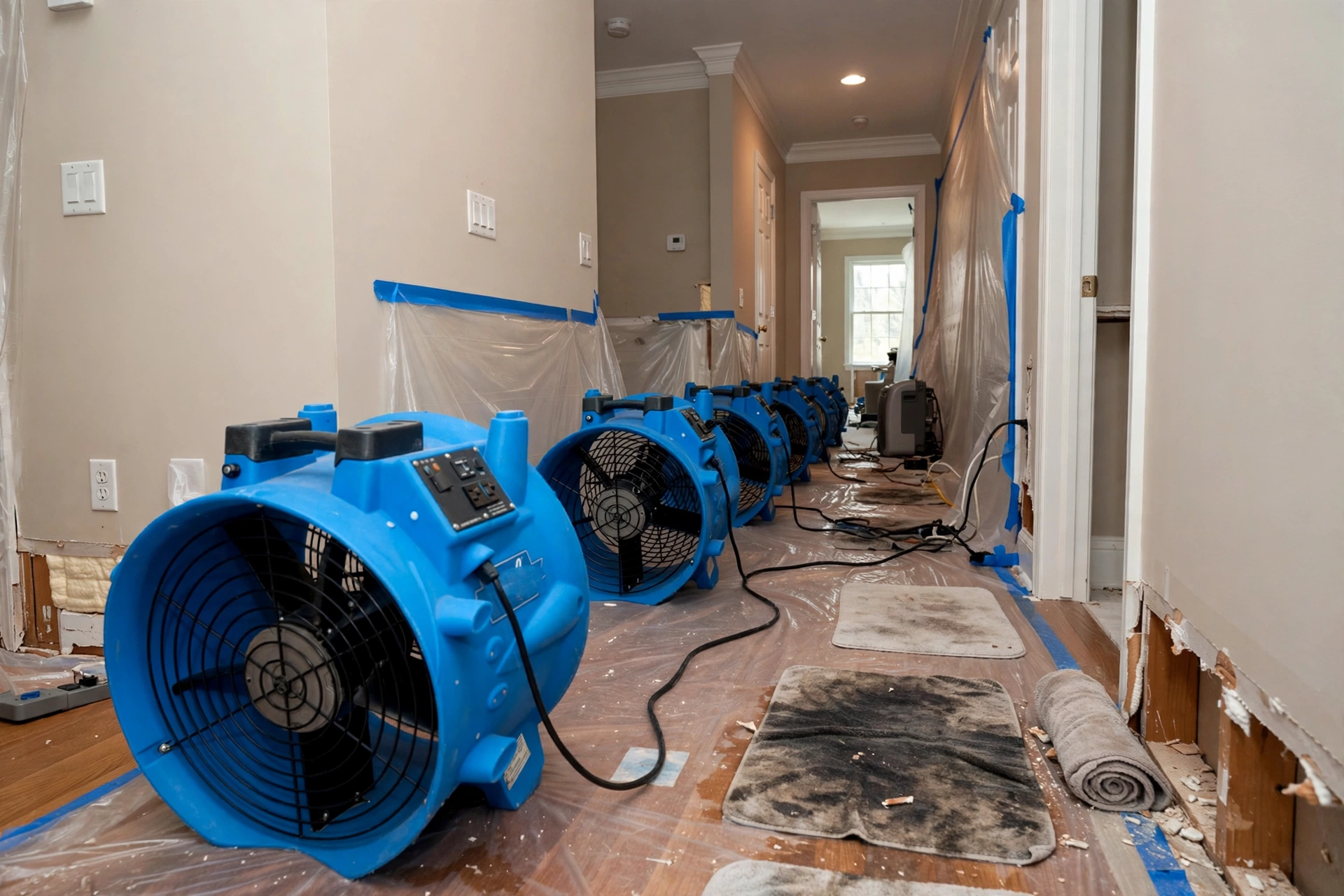
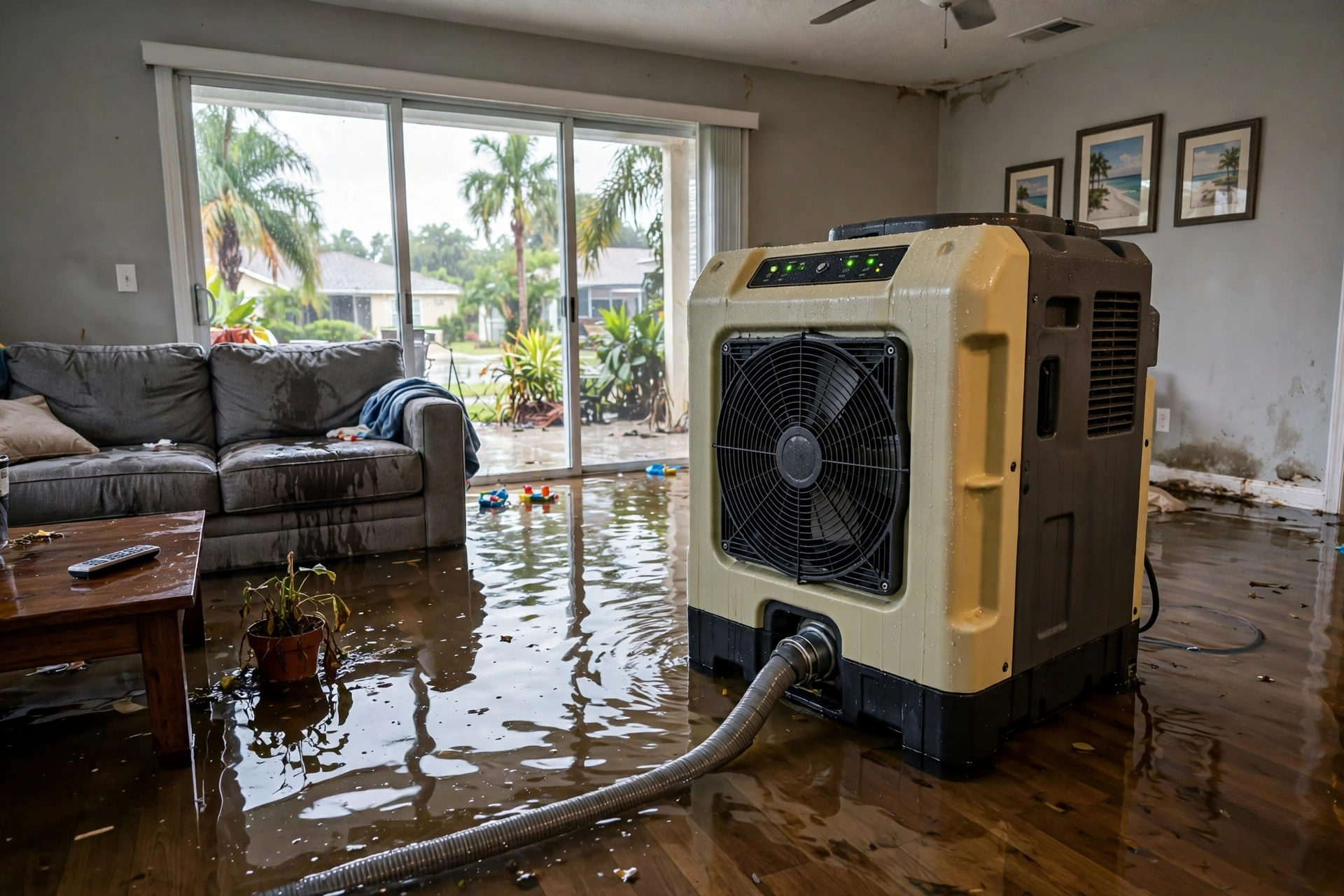
High-capacity pumps and weighted extractors pull standing water out of Garland floors, including water trapped beneath flooring and inside wall cavities.
Emergency Water Extraction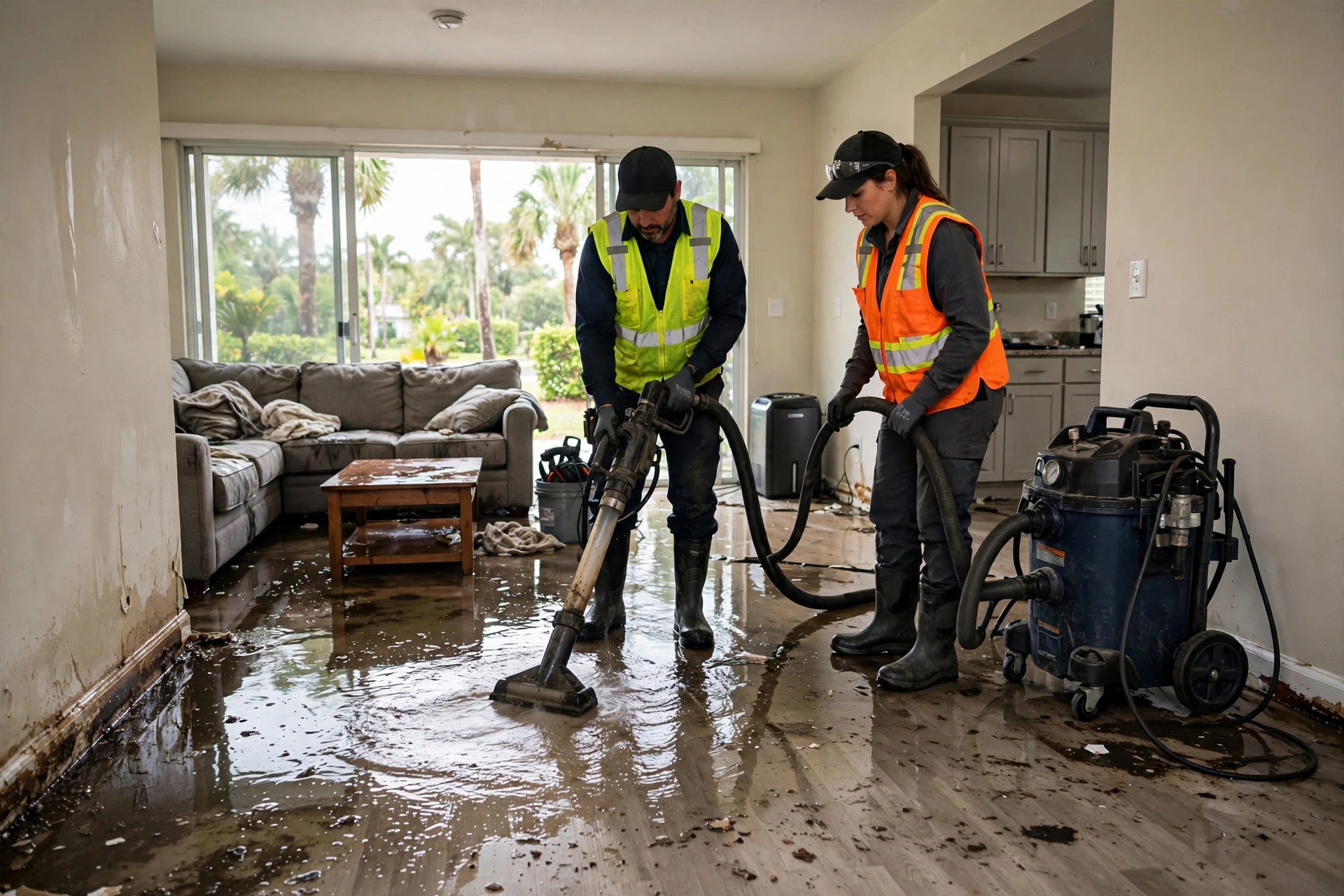
24/7 emergency water extraction, structural drying and flood cleanup across 5 Garland ZIP codes. Free inspections, IICRC-certified crews, 60-minute response target.
Yes, DryOut Inc provides 24/7 water damage restoration in Garland, TX, covering 5 local ZIP codes (75040 to 75044). Call (607) 300-1334 for a free inspection: we handle complete water damage removal, extracting standing water, drying the structure with meter-verified methods, and taking care of repairs and insurance documentation end to end. DryOut Inc is the water damage restoration company Garland TX homeowners call first, and one call covers water damage removal Garland TX, water damage cleanup Garland TX and water damage repair Garland TX from start to finish. For 24 hour water damage restoration Garland TX, the line is answered live, day and night.
Garland water damage comes from two directions at once: the creeks that drain the city, and the plumbing inside its older homes. Rowlett Creek runs through town toward Lake Ray Hubbard, and low areas near the creek flood when storms drop heavy rain in a short time. At the same time, many Garland homes were built decades ago, and their supply lines, water heaters, and sewer laterals are reaching the age when failures become common. DryOut Inc covers 5 Garland ZIP codes with meter-verified extraction and drying. This page covers Garland risks, costs, ZIP coverage, reviews, and the process we follow on every job.
Reviewed by the DryOut Inc team · Last updated October 2026
Water damage in Garland looks different block by block. With 5 ZIP codes in Dallas County under our coverage, our crews have seen every version of it, from slab leaks to storm water entry.
Rowlett Creek is the defining water feature for Garland flood risk. The creek drains Garland toward Lake Ray Hubbard, and creek flooding affects low areas, especially where streets and yards sit close to the channel. A fast storm can raise the creek quickly, and water can back up through storm drains into streets, garages, and ground floors even when the rain has already stopped overhead. Homes nearest the creek corridor and the low crossings that feed it are the first Garland addresses to take on water, and they are also the ones where drying takes longest if the ground stays saturated.
Inside Garland homes, the risk profile looks different. Older neighborhoods carry galvanized and aging copper lines, cast iron drains, and water heaters that have already served many years. Slab foundations on North Texas clay shift with the seasons, and that movement stresses lines buried under the floor. Winter freezes add another threat: pipes in exterior walls, attics, and garages can burst during a hard cold snap, as they did across North Texas in February 2021. Add long cooling seasons that clog AC condensate lines, and Garland crews answer a steady mix of creek water, plumbing failures, and slow leaks that hide under flooring for weeks.
The water damage calls our Garland crews answer most often:
Garland sits northeast of Dallas, spread across Dallas County with edges reaching into Collin and Rockwall counties, and it drains east toward Lake Ray Hubbard. Rowlett Creek is the main thread through that drainage pattern, joined by smaller tributaries that cut through neighborhoods and parkland. When those creeks rise, the water does not stay in the channel: it spreads across low yards, fills streets, and finds its way into garages and first floors, particularly where a home sits below street level or near a creek bend.
Beyond the creek corridors, Garland is a city of established neighborhoods, schools, shops, and light industry, and most water calls there start inside the building. A washing machine hose can fail on a Saturday, a water heater can burst in a garage overnight, or a slow drain leak can soak a bathroom subfloor for a month before the floor starts to cup. Garland jobs therefore begin with moisture mapping: meters and infrared cameras show where water has traveled, so drying reaches the hidden pockets instead of only the visible puddle.
If any of these are happening at your Garland property, call (607) 300-1334 now. The steps on the right protect your home and your claim while the crew is on the way.
One accountable team for the whole job: our water damage services Garland TX cover emergency water removal, cleanup, structural drying and the final repairs, anywhere in our coverage area.
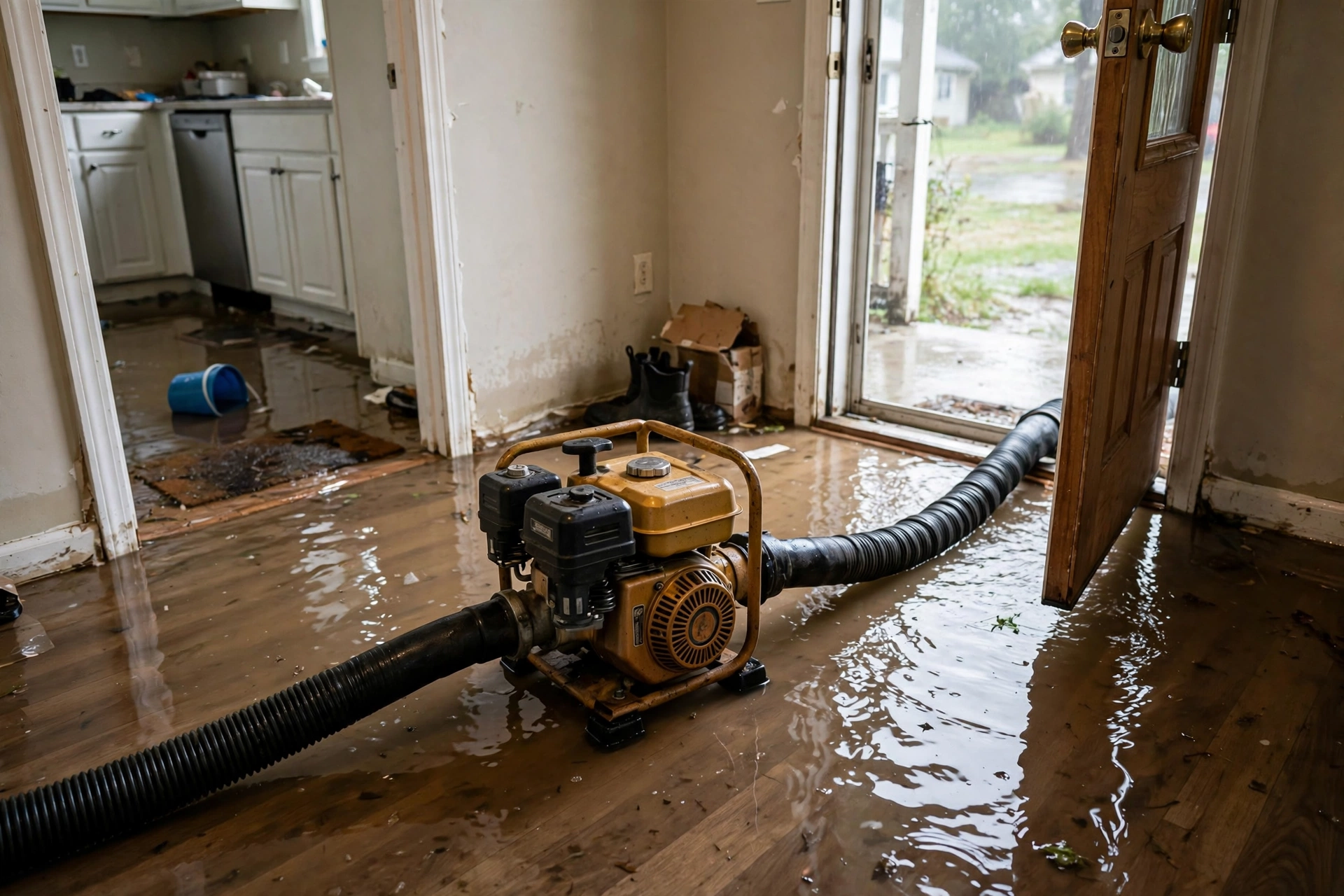
High-capacity pumps and weighted extractors pull standing water out of Garland floors, including water trapped beneath flooring and inside wall cavities.
Emergency Water ExtractionAir movers and commercial dehumidifiers dry Garland walls, cavities and subfloors to IICRC S500 targets, verified daily with meters.
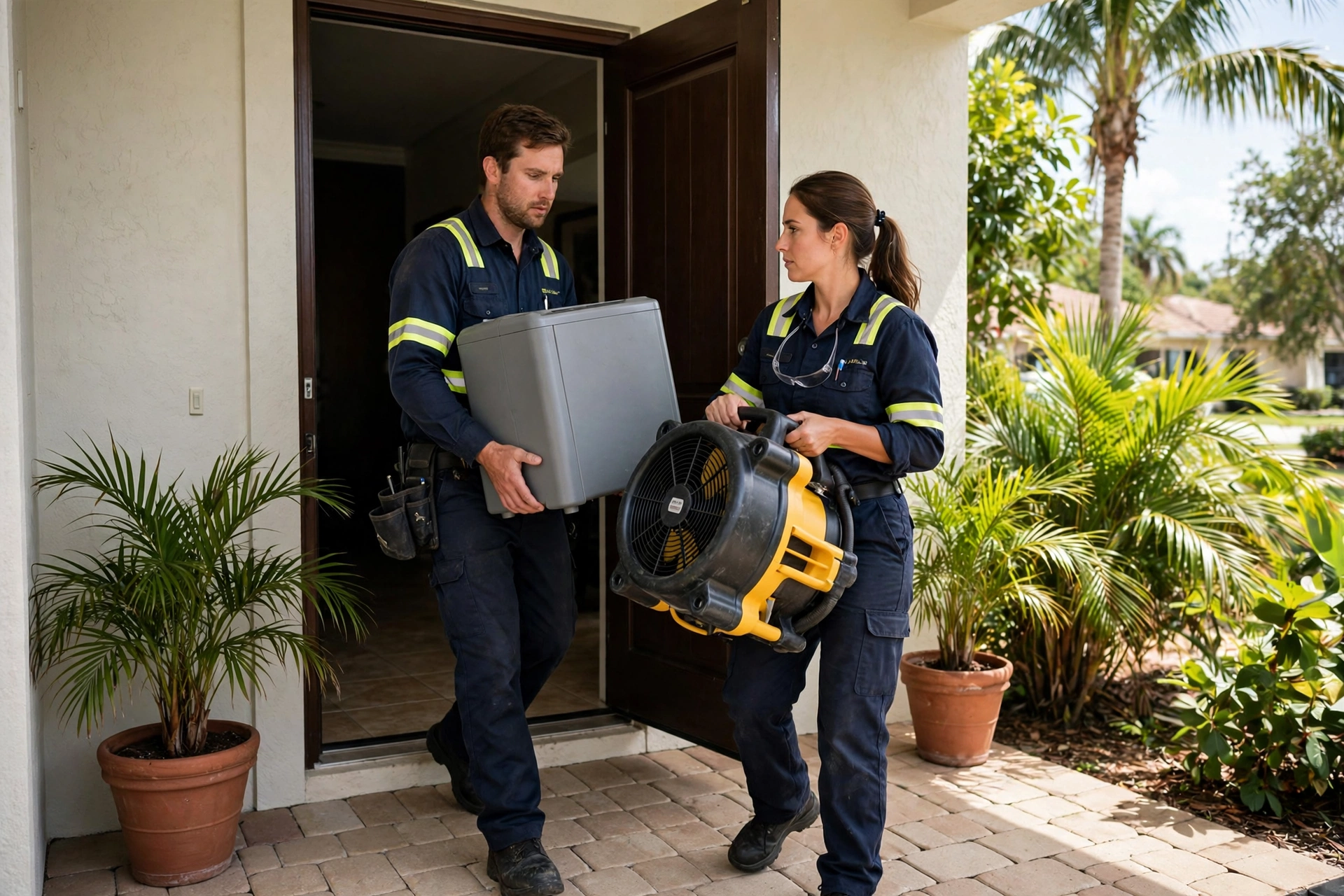
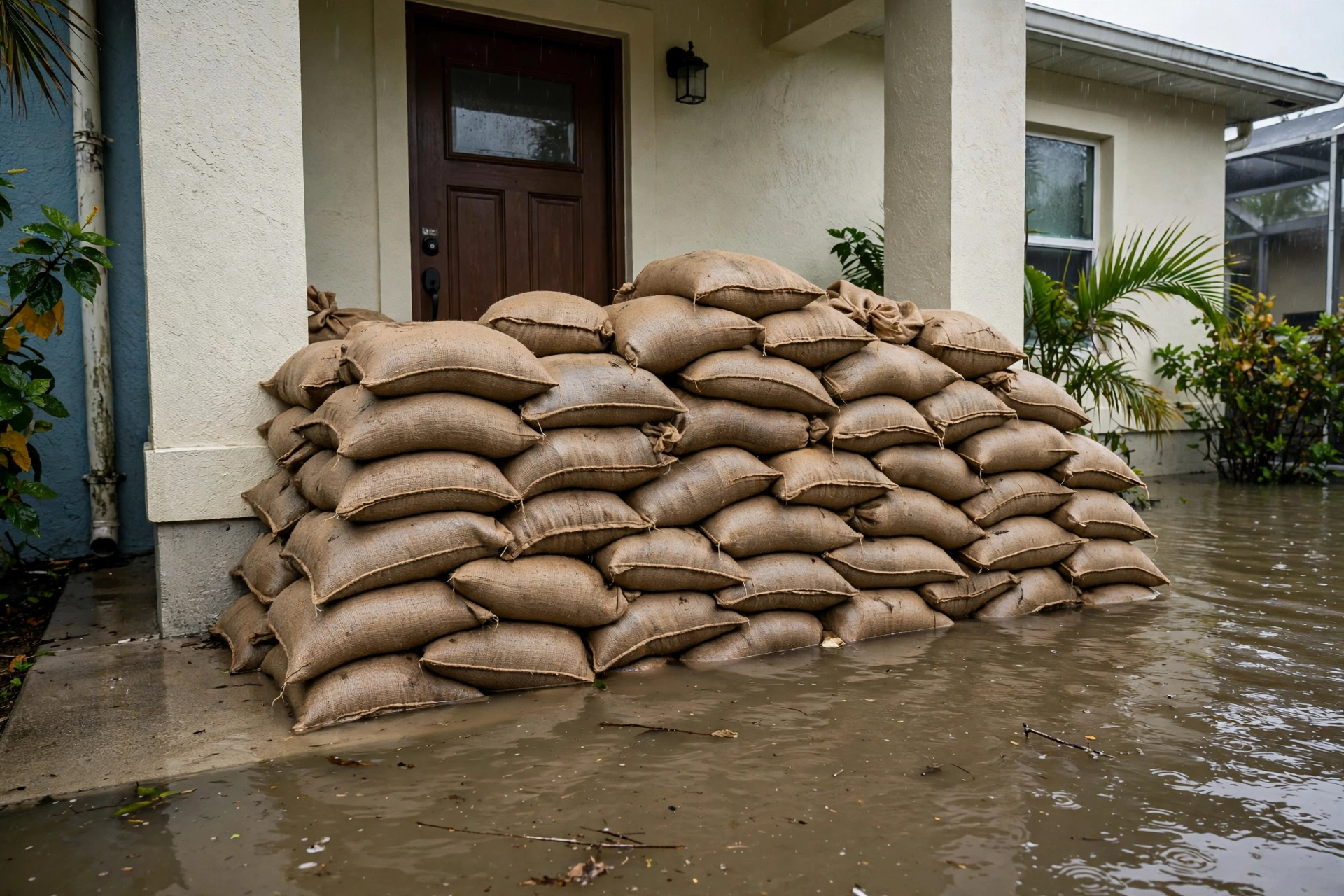
Structural DryingCreek and storm water removed, affected materials handled safely, spaces sanitized and dried, all documented for your claim.
Flood CleanupWe stop the spread from a burst pipe, extract the water, dry the structure and repair what the pipe damaged in walls and floors.
Burst Pipe CleanupCeiling stains and soaked insulation traced to the source, dried to standard, and repaired so the leak does not return after the next storm.
Roof Leak DryingCondensate line clogs and pan overflows dried out, with the air handler area, walls and flooring verified dry.
AC Leak CleanupBeyond those six core services, Garland jobs often need the supporting work that makes drying complete: moisture detection and daily monitoring with meters and infrared cameras, cleaning, sanitizing and deodorization after the water is out, mold prevention once materials are dry, sewage cleanup where a backup is involved, slab leak detection where a line under the floor is suspected, and contents handling and packout when furniture and belongings must move out of the way so the structure can dry. Crawlspace drying is included where a property has one. Every one of those tasks is scoped in writing, checked against daily readings, and recorded for the insurance file, so nothing is left to guesswork.
Our Garland water damage coverage spans 5 ZIP codes, verified 2026-10-21. If your ZIP is listed, a local crew can be dispatched to your address. Outside the list? Call anyway, we travel for larger losses.
Coverage is checked against live dispatch availability. Enter your ZIP when you call and we confirm your address instantly.
For water damage restoration Garland TX, the job runs in four phases. People use these words interchangeably, but on a real Garland job they are four separate phases, in this order. Here is what each one actually covers.
The first phase. Pumps and truck-mounted extraction pull standing water out of the Garland property, and soaked materials that cannot be saved, like saturated carpet pad and wet drywall, are removed. Fast water damage removal is what keeps a one-room loss from becoming a whole-home loss. These water removal services Garland TX run around the clock for homes and businesses.
Debris and damaged contents are hauled out, and every remaining surface is cleaned and sanitized. Cleanup in Garland follows Category 2 and 3 protocols where the water is contaminated, because storm water, ground water and sewage carry bacteria that plain mopping leaves behind.
Air movers and commercial dehumidifiers dry walls, floors and framing to meter-verified targets, usually in 3 to 5 days. Moisture readings are logged daily, equipment is adjusted as the readings change, and that log becomes part of the record your insurer receives.
The final phase. Drywall, flooring, cabinets and paint are repaired or replaced to pre-loss condition. Garland repairs are quoted in writing before work begins, and sudden water events are usually covered by homeowners insurance.
Drying is not finished when the equipment is picked up. A Garland job closes only when moisture readings confirm the structure is dry, and that confirmation is what protects the repair that follows. Without it, new flooring or drywall can trap moisture underneath, and the same loss can return as a mold or odor problem months later. Daily monitoring, a final meter check, and a written closeout are therefore part of every job, not extras.
Restoration crews classify water by how contaminated it is, using the IICRC Category 1, 2 and 3 scale. The category decides the safety gear, the cleaning protocol and what can be saved, so it is set during the first inspection of your Garland property and recorded for your insurer.
Water from a sanitary source: a broken supply line, a leaking faucet, rainwater through a roof opening or an appliance feed line. It starts out with low risk, but it degrades fast once it sits on floors and walls. Left standing for 24 to 48 hours it picks up bacteria and becomes Category 2, which is why even clean water cannot wait.
Water with significant contamination: washing machine and dishwasher discharge, toilet tank water, sump pump failures and aquarium leaks. It carries bacteria and chemicals, so Garland crews wear protective gear, disinfect every surface it touched and usually remove carpet pad it soaked.
Grossly contaminated water: sewage backups, toilet backflows, storm surge, and river or ground water from flooding. In Garland, all flood water that comes from outside the home is treated as Category 3. Porous materials it soaks, like carpet, pad and drywall, are removed rather than cleaned, and the area is sanitized before drying starts.
Not sure which category your loss is? Treat unknown water as the higher category until a Garland technician tests it. The category is also written into your insurance file, and it affects what your policy covers for cleanup.
Whole-home extraction and drying for Garland houses of every age, from established brick homes to newer builds on the east side.
Unit-to-unit leaks, ceiling damage, and stack plumbing failures, coordinated with your Garland condo association.
Shared-wall water problems traced to the true source and dried without guesswork.
Fast, turnover-safe drying for occupied and vacant rental units across Garland.
Common-area, clubhouse, and amenity water events with full documentation for the board.
Leak and storm damage handled between guests so your Garland bookings stay open.
After-hours crews and phased drying that keep your business operating during restoration.
Water damage dried fast and documented thoroughly to limit downtime and lost revenue.
Commercial work in Garland deserves a separate note. Offices, restaurants, retail shops and hotels cannot always shut down for drying, so crews work in phases: one area dries while the rest of the business keeps operating, equipment runs after hours where that helps, and property managers get a single point of contact plus documentation they can pass to owners and insurers. Residential jobs get the same discipline at a smaller scale, with one named contact from the first call to the final walkthrough.
Every loss is scoped on site for free, but these Texas averages help you plan. Most Garland homeowners fall inside these ranges, and sudden water events are often covered by insurance when the loss is documented properly.
| Service | Typical range | What changes the price |
|---|---|---|
| Emergency water extraction | $1,500 to $4,500 | Water volume, rooms affected, flooring type |
| Structural drying (multi-room) | $2,000 to $6,000 | Materials involved, drying days required |
| Flood cleanup after storms | $2,500 to $9,000 | Contamination category, debris and materials removed |
| Burst pipe drying and repair | $2,000 to $7,500 | Pipe location, flooring and drywall replacement |
| Full restoration with rebuild | $5,000 to $15,000+ | Area size, material choices, reconstruction scope |
Cost ranges reflect typical Texas water losses and are not quotes. Your written quote after the free inspection is what counts.
Those ranges are planning figures, not a price for your home. A single-room extraction with a hard floor costs far less than a multi-room loss with hardwood, cabinets and drywall to replace, and the written scope after inspection is the only number that matters. Ask for that scope before work begins, check what it includes, and keep a copy with your insurance file.
DryOut Inc is the water damage restoration company Garland homeowners call first, rated 4.9 out of 5 for water damage removal, drying and repairs. Recent reviews from the Garland area:
"Rowlett Creek water came up our street after a fast storm and soaked the garage and a bedroom. The crew extracted it the same evening, dried the walls with daily readings, and handed our insurer a clean file."
"Our water bill jumped and the floor felt warm in one spot. They found a slab leak, dried the floor and walls, and explained every reading until the job was verified dry."
"Our water heater burst in the garage and flooded the laundry room. They arrived fast, saved the washer and dryer, and put the repair quote in writing before any work started."
It can be. Until a Garland crew has checked the property, treat standing water and wet materials with real caution:
Do not attempt a do-it-yourself cleanup on contaminated water, and do not assume a room is dry because the surface feels dry. Household fans move air across the top of a floor while moisture stays trapped in the subfloor, the wall cavity, and the base of cabinets. Professional drying reaches those layers, measures them daily, and proves when they are dry. That difference is the difference between a repair that holds and a problem that returns.
Good records are the difference between a smooth claim and a fight. This is the documentation checklist our Garland crews build on every job, and you can start it before we arrive:
Texas policies require prompt notice of a loss, so report it quickly and keep every receipt. Floodwater from outside the home generally needs separate flood insurance, and the Garland file we build protects your claim from the first call. Read more on our insurance claims help page.
When your adjuster visits, the file should already answer the questions they will ask: what happened, when it happened, what was wet, how it was dried, and what it will cost to repair. Photos taken before cleanup, daily moisture logs, and a line-item scope in the format adjusters expect make that visit shorter and the claim easier to support. Keep copies of everything yourself as well, not only with the insurer, so you have the record if the claim is reviewed later.
Some of the costliest Garland losses never show a puddle. Water hides inside walls, under floors and above ceilings, sometimes for weeks. These are the signs our Garland crews check first, and they are worth a call even when nothing looks wet:
One sign alone can be nothing. Two or more together usually mean moisture is trapped somewhere. A Garland technician can confirm it with moisture meters and an infrared camera, without tearing walls open, and an early check is what keeps a hidden leak from turning into mold remediation or structural repair. Call (607) 300-1334 for an inspection.
Yes. Water damage removal is the first phase of every DryOut Inc job in Garland: we extract standing water, remove soaked materials that cannot be saved, and start structural drying on the same visit. Our crews provide emergency water damage removal Garland TX around the clock, and removal usually starts within the hour in Garland, day or night.
Most Garland repairs after drying run $500 to $2,500 for a single contained room, while multi-room losses with flooring, drywall or cabinetry work run higher. The exact number depends on materials and scope, and sudden water events are usually covered by homeowners insurance. We quote every repair in writing before the work begins.
The best water damage removal Garland TX homeowners can hire is the one that answers live at 2 AM, starts extraction within the hour, and documents every moisture reading for the insurance file. Ask any company for its drying standard (ours is IICRC S500) and a written scope before work begins, and compare the answers.
We cover the Garland area ZIP codes listed on this page, verified against our current dispatch coverage. Enter your ZIP when you call and dispatch confirms your address instantly. If you are just outside the listed ZIPs, call anyway: we travel for larger losses and emergencies.
Call the plumber to stop an active leak if you need a repair, but call a restoration company immediately for the water itself. Plumbers fix pipes; we extract water, dry the structure and prevent mold. In most cases you need both, and we coordinate with your plumber so nothing is delayed.
Look for a Garland company that answers 24/7, arrives with moisture meters rather than just fans, documents everything for your insurer, and quotes repairs in writing before starting. DryOut Inc works to the IICRC S500 standard, and you get one named contact from the first call to the final walkthrough.
Shut off the water source if it is safe to do so, turn off electricity to the wet area, and move valuables and electronics out of the water. Put foil or wood blocks under furniture legs on wet carpet, and photograph everything before you move it. Then call us. Do not wait to see if it dries on its own: In North Texas humidity, mold can begin growing within 24 to 48 hours of a water event, which turns a drying job into a much bigger project.
It depends on the cause. Sudden and accidental events like burst pipes are usually covered; gradual leaks, wear and tear, and floodwater from outside the home are typically excluded or need separate flood insurance. Texas policies require prompt notice of a loss, so report it quickly and keep every receipt. We document everything with line-item scopes to support your claim.
Government resources we point Garland customers to during and after a water emergency. External links open in a new tab.
State emergency plans, disaster declarations, and recovery programs for Texas residents.
Check the official flood zone for your Garland address on FEMA's Flood Map Service Center before the next storm season.
Forecasts, flood watches and warnings, and severe weather updates for the Dallas-Fort Worth area.
Claim questions, policy guidance, and help resolving disputes with insurers for Texas homeowners.
Federal safety guidance for protecting your Garland home before, during, and after a flood.
Tell us where the water is and we will call you back fast, usually within minutes, day or night. A local Garland crew can be dispatched as soon as you confirm. Prefer to talk now? Call (607) 300-1334.
Water spreads and mold follows within 24 to 48 hours. Call now for a free inspection and a crew on the way.
Call 24/7: (607) 300-1334